Where to Stay Near Sigiriya: The Best Jungle Lodges and Boutique Hotels
By Stay Lanka Travels
A practical guide to accommodation near Sigiriya and Dambulla, covering jungle lodges on the forest edge, guesthouses in Sigiriya village, and the larger town of Dambulla as a budget base for the Cultural Triangle.
You wake up and the jungle is already loud.
Not birds exactly, though there are birds. More of a general rising noise — insects, something moving in the trees, the dry-zone forest coming back to life after the cooler night. Lying still for a few minutes, listening to it, is one of the better ways to start a day in this part of Sri Lanka.
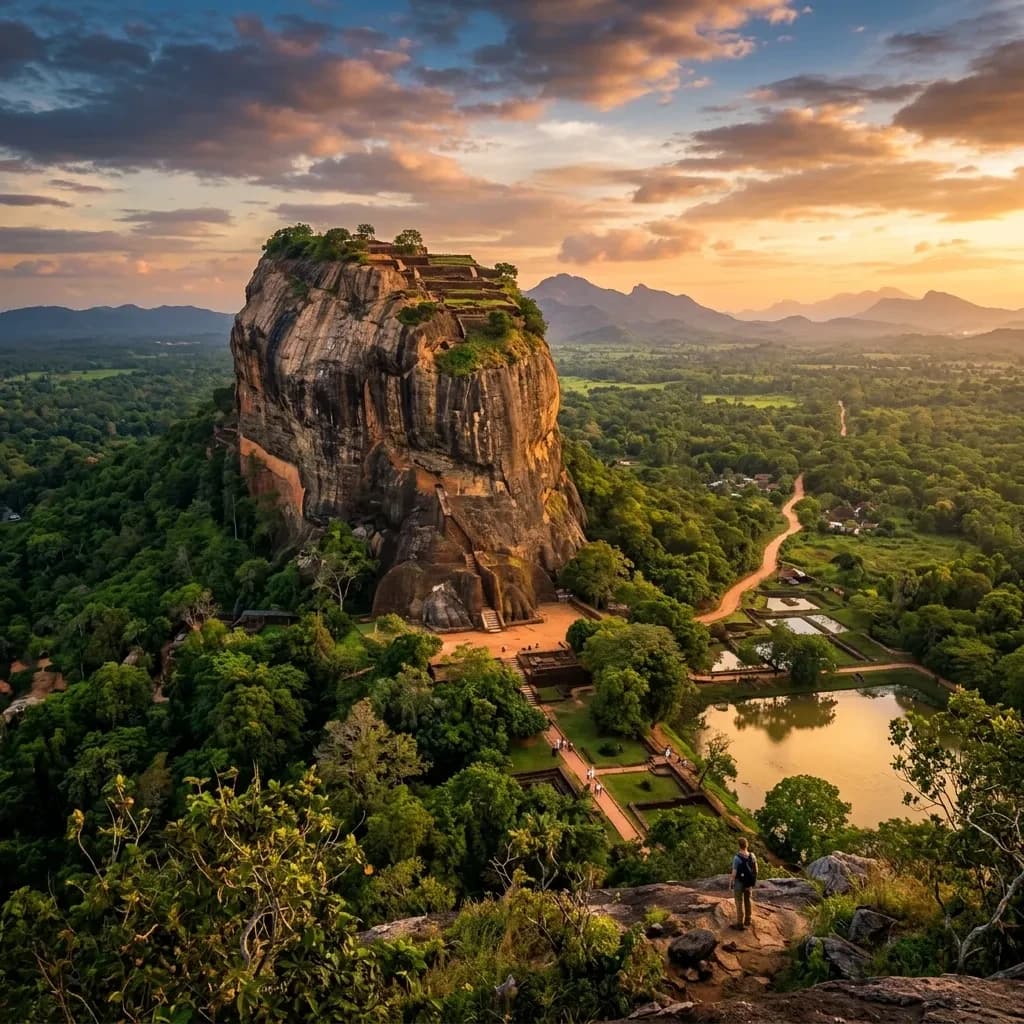
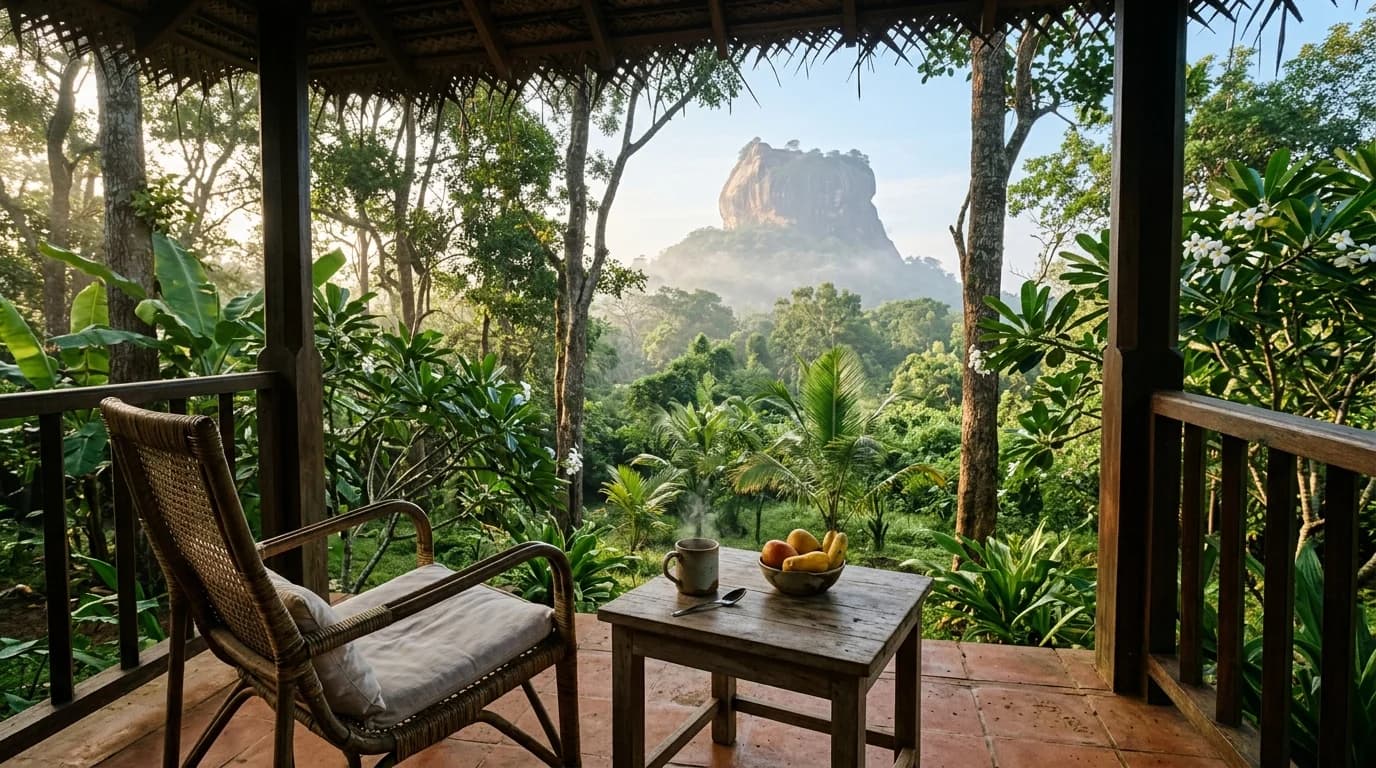
That's what staying near Sigiriya actually sounds like. Not a resort pool at dawn. Not traffic from a highway town. Just the north-central plain waking up, with a 200-metre granite rock sitting somewhere in the treeline outside your window.
Getting that experience — or something close to it — mostly comes down to where you choose to sleep.
Understanding the Geography Before You Book
The accommodation options around Sigiriya spread across a wider area than most people expect. The name "Sigiriya" on a booking platform can mean the village directly below the rock, a property in Dambulla town 17 kilometres away, or something in the forest corridor between the two. These are very different experiences.
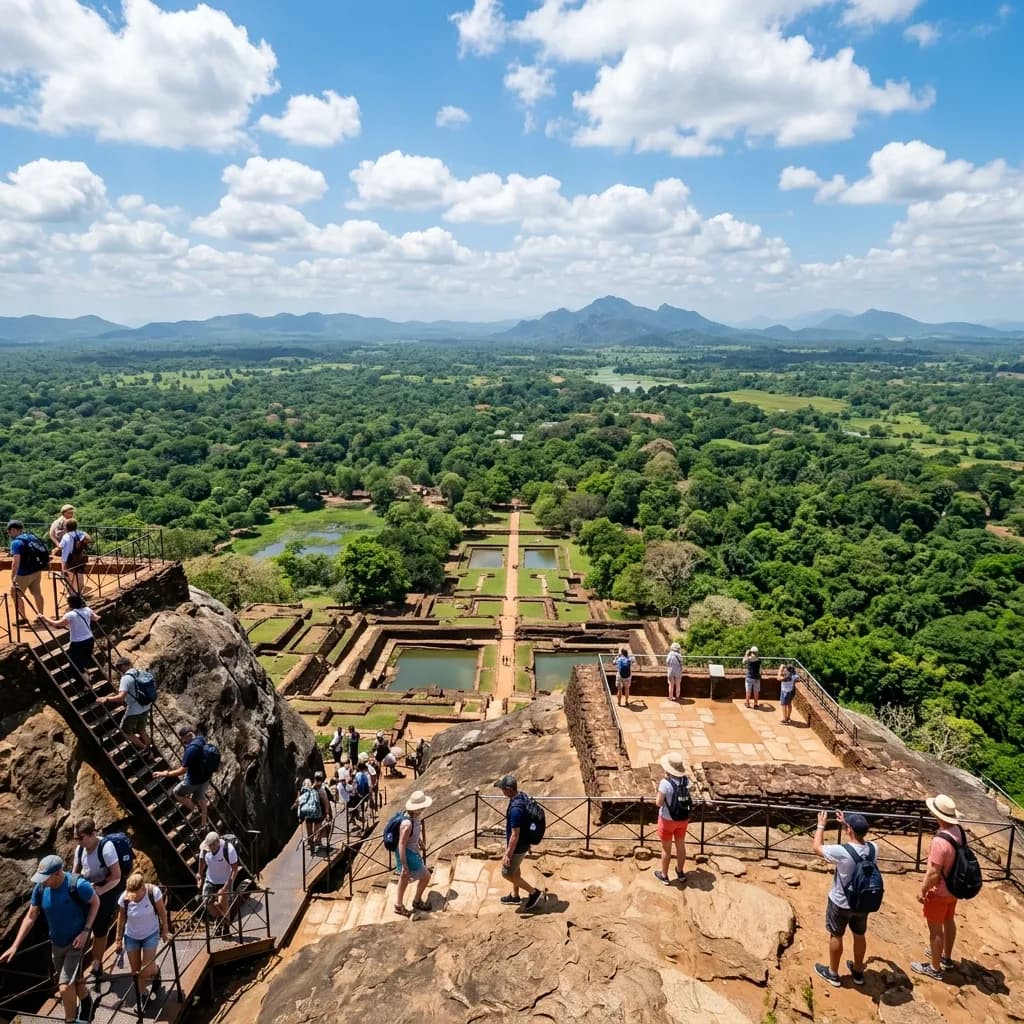
Sigiriya village sits at the base of the rock. Staying here means you're five minutes from the entrance gate, you can watch the morning light hit the rock face from your guesthouse garden, and the sound of the surrounding dry-zone jungle is constant. The village is small. There's no nightlife, limited dining options outside the guesthouses, and almost nothing to do after dark except sit outside and listen to the forest. This is either the appeal or the problem.
Dambulla town, 17 kilometres south on the A9 highway, is a proper transit town with restaurants, pharmacies, ATMs, and a much wider range of guesthouses at every price point. Staying here and day-tripping to Sigiriya is the practical choice for travellers on a tighter budget or those who need more amenities. The drive or tuk-tuk ride between the two takes 20 to 30 minutes depending on traffic.
The forest corridor between — smaller properties, jungle lodges, and boutique hotels built into the dry-zone scrub either side of the Sigiriya road — is where the most interesting accommodation options tend to be.
Jungle Lodges: What This Actually Means Here
"Jungle lodge" gets used loosely in Sri Lanka, but near Sigiriya it means something specific. The north-central dry zone has a distinct character: sparse, thorny jungle, tall mahogany and palu trees, red laterite soil, the kind of landscape where you can spot a peacock on the access road without it being unusual. Properties built into this setting feel genuinely removed from the tourism infrastructure around the rock, even when they're only a few kilometres away.
Jetwing Vil Uyana is the most established of these. Set in a private wetland reserve between Sigiriya and Habarana, it's a collection of individual villa structures built on stilts above the water and forest floor. The rooms are designed to disappear into the landscape — timber, natural materials, large open windows — and the wildlife that comes with the wetland setting (water birds, monitor lizards, the occasional elephant passing through at night) is a genuine feature of the stay, not a marketing claim. It's at the higher end of the price scale for this region.
For something with a similar setting at a lower price point, several smaller boutique lodges have opened along the forest roads east and north of Sigiriya village. They vary in quality, and the best ones book quickly. Reading recent reviews carefully — specifically looking for mentions of wildlife, noise, and how far the property actually is from the rock — will tell you more than the listing itself.
Sigiriya Village: Staying Close to the Rock
If you want to be at Sigiriya's entrance gate before 6:30 AM without a tuk-tuk journey, staying in the village itself is the only option. The handful of guesthouses here are family-run, simple, and cheap by Sri Lankan standards.
The rooms are basic: a bed, a fan or wall-mounted air conditioning unit, a bathroom with cold water. What you get in exchange is proximity. Sunrise over the rock, from a plastic chair in the guesthouse garden, is something you won't be sharing with tour buses at that hour.
Some of these guesthouses also cook dinner and breakfast for guests — the only real dining option in the village is through your accommodation or the small food stalls that set up near the entrance gate during peak hours. If that kind of self-contained stay appeals, it works well. If you want restaurant variety or a cold beer after dinner, Dambulla is the more sensible base.
Sigiriya Village Hotel is the largest property in this category — not a small guesthouse, but a mid-sized hotel with a pool and more structured facilities, sitting inside a forested compound near the rock. It's a step up from the family guesthouses in terms of comfort, without crossing into the boutique lodge territory further out.
Dambulla as a Practical Base
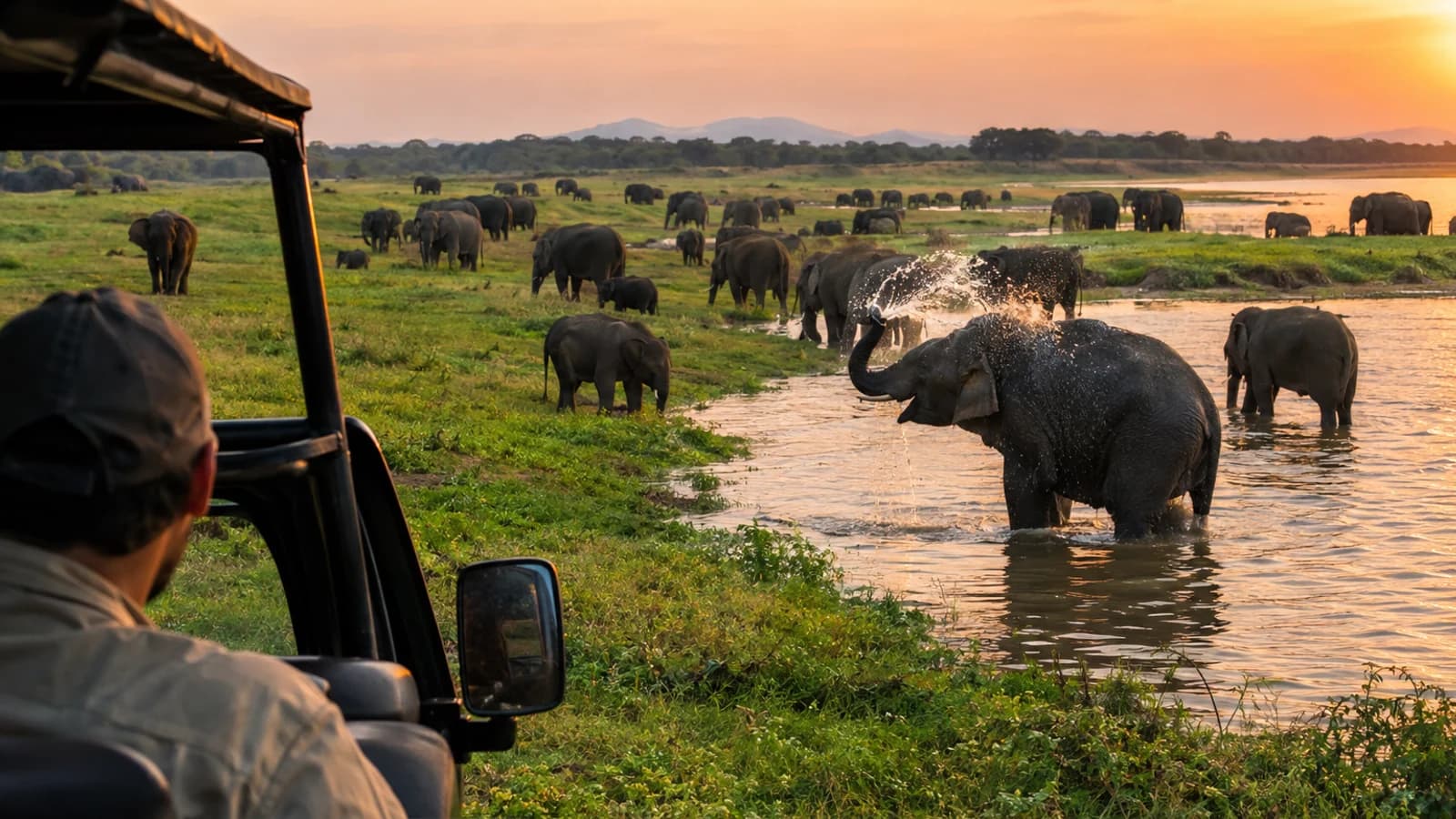
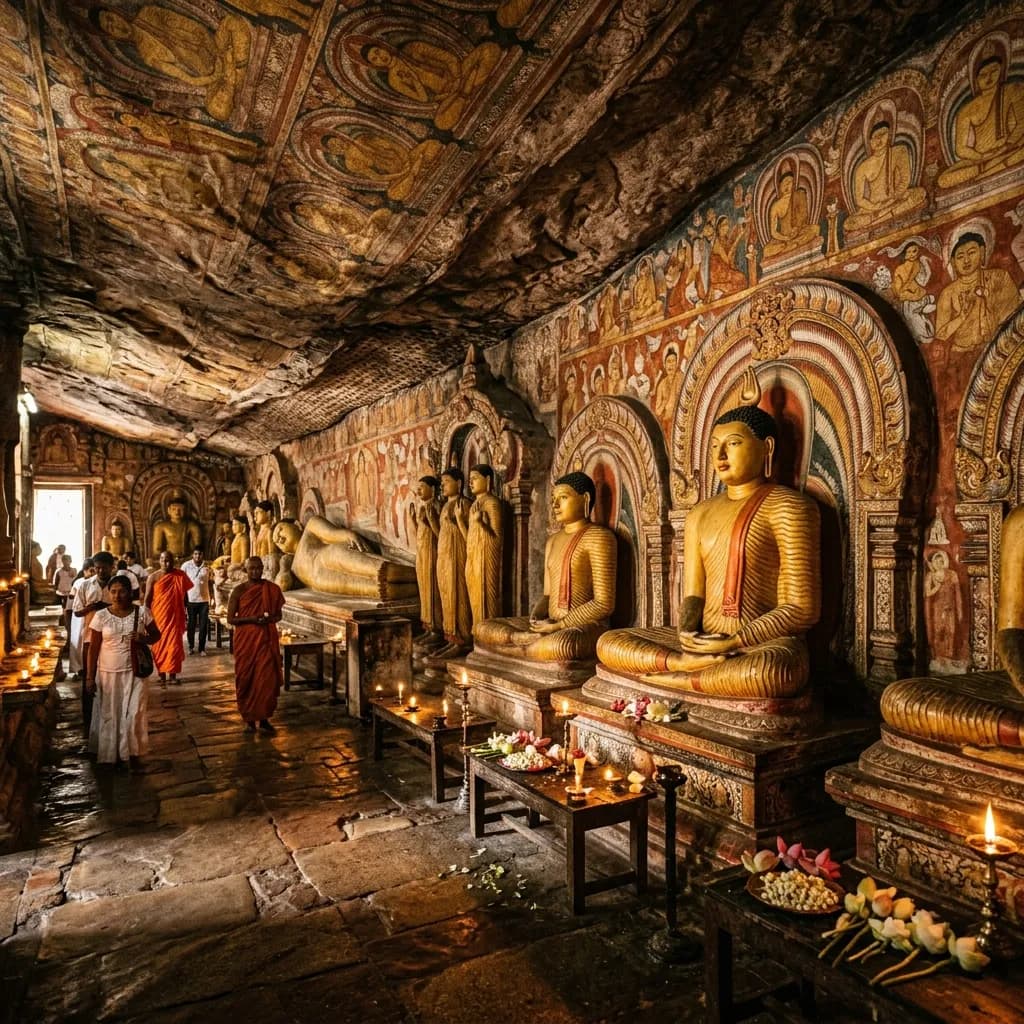
Most visitors covering both the Dambulla Cave Temple and Sigiriya on the same trip base themselves in Dambulla town, and it's a reasonable strategy. The cave temple is a 10-minute walk from the town centre. Sigiriya is 30 minutes by tuk-tuk. Minneriya National Park, worth a half-day if elephants are congregating, is about an hour east.
The guesthouses along the main A9 road and the side streets behind it cover a wide price range. Budget travellers will find rooms at the lower end of the Sri Lankan scale here; the town caters primarily to transit traffic and isn't particularly set up for longer stays. It's functional rather than atmospheric.
A better version of the Dambulla base is to look at properties a few kilometres outside the town centre, on the side roads toward Kandalama. The Kandalama Lake area — a large reservoir flanked by forest — has several mid-range and higher-end options with genuinely beautiful settings, and it puts you roughly equidistant between Dambulla and Sigiriya. The drive in either direction takes under 30 minutes.
Heritance Kandalama, built into a cliff face above the reservoir, is one of Sri Lanka's most architecturally significant hotels. Geoffrey Bawa designed it to disappear into the rock and jungle, and it largely does — the hotel is invisible from the water below. It's worth considering even if it's above your usual budget, because the experience of the building itself is unusual.
What to Know Before You Book
Mosquitoes are real. The dry-zone forest around Sigiriya is malaria-risk territory — not high risk by any absolute measure, but consult your doctor before travelling and take whatever precautions you'd usually take in this kind of environment. Properties in the area will have mesh screens and repellent available; bring your own as backup.
The heat is serious. The Sigiriya plain sits lower and hotter than the hill country. Between April and September the midday temperature regularly exceeds 35°C. Air conditioning in your room is less of a luxury here than it might be elsewhere in Sri Lanka — budget for it.
Tuk-tuks don't always appear when you want them. Sigiriya village is not Colombo. If you're staying in a jungle property down a forest track, arrange transport to the rock the night before. Your accommodation can almost always help with this; don't assume a tuk-tuk will materialise at 6 AM when you need to be at the gate.
Two days is the practical minimum for covering both Sigiriya and Dambulla Cave Temple properly. One night at Sigiriya for the early-morning climb, one night in Dambulla or Kandalama before continuing to Polonnaruwa or Minneriya — that's the logical route through the Cultural Triangle.
Questions Travellers Ask About Staying Near Sigiriya
Where should I stay to be close to Sigiriya Rock? The guesthouses in Sigiriya village sit directly below the rock and give you the fastest access to the entrance gate. If you want to be climbing before the tour groups arrive, this is the most practical option. The jungle lodges a few kilometres out are quieter and more comfortable but require a tuk-tuk ride to the entrance.
Is it better to stay in Dambulla or Sigiriya? Dambulla has more amenities — restaurants, ATMs, transport connections — making it the practical choice for budget travellers or those covering multiple sites in the Cultural Triangle. Sigiriya gives you proximity to the rock and a quieter, more atmospheric stay. The choice depends on whether convenience or experience matters more to you.
Are there luxury hotels near Sigiriya? Yes. Jetwing Vil Uyana and Heritance Kandalama are the most established higher-end properties in the area, each with a strong sense of place. Several smaller boutique lodges in the forest corridor between Sigiriya and Habarana also offer more considered stays at mid-to-high prices.
How far in advance should I book accommodation near Sigiriya? For jungle lodges and boutique properties, a month ahead is sensible outside peak season. Between December and April, and especially over Sri Lankan public holidays, book as early as possible — the better properties fill quickly. Sigiriya village guesthouses are easier to book last-minute outside peak season.
Can you walk from Dambulla to Sigiriya? No. The 17-kilometre distance between Dambulla and Sigiriya is along the A9 highway with no footpath. Tuk-tuks are the standard way to move between the two; a private driver is more comfortable for a full-day coverage of both sites.
The Rock Is There When You Wake Up
The thing about staying close to Sigiriya — rather than day-tripping from somewhere else — is the relationship you build with the place over a couple of days.
The first morning, you're climbing it. The second morning, you wake up and look at it from the outside. You notice which face catches the light first. You hear the birds start up in the trees around the base. You understand, without anyone explaining it to you, why Kasyapa chose this particular piece of landscape for his citadel.
That shift in perspective doesn't happen on a day trip. It needs a night or two, a guesthouse garden, and a quiet morning with the rock already visible before you've finished your tea.
Browse our full Dambulla and Sigiriya guide for everything you need to know about climbing the rock, visiting the cave temples, and planning your Cultural Triangle route.
Want to explore more?
Download our comprehensive E-Travel Guidebook for Ella.