The Famous Kandy to Ella Train Journey: A Complete Guide
By Stay Lanka Travels
How to book tickets, which side to sit on, and what to expect on one of the world's most beautiful train rides.
A brass station bell chimes three times across the platform. Through morning mist, the deep horn of a blue diesel locomotive echoes through the hills.
Carriages rumble to a gentle halt alongside the concrete platform. Excited passengers clutch vintage cardboard tickets, eager to board the world's most celebrated train ride.
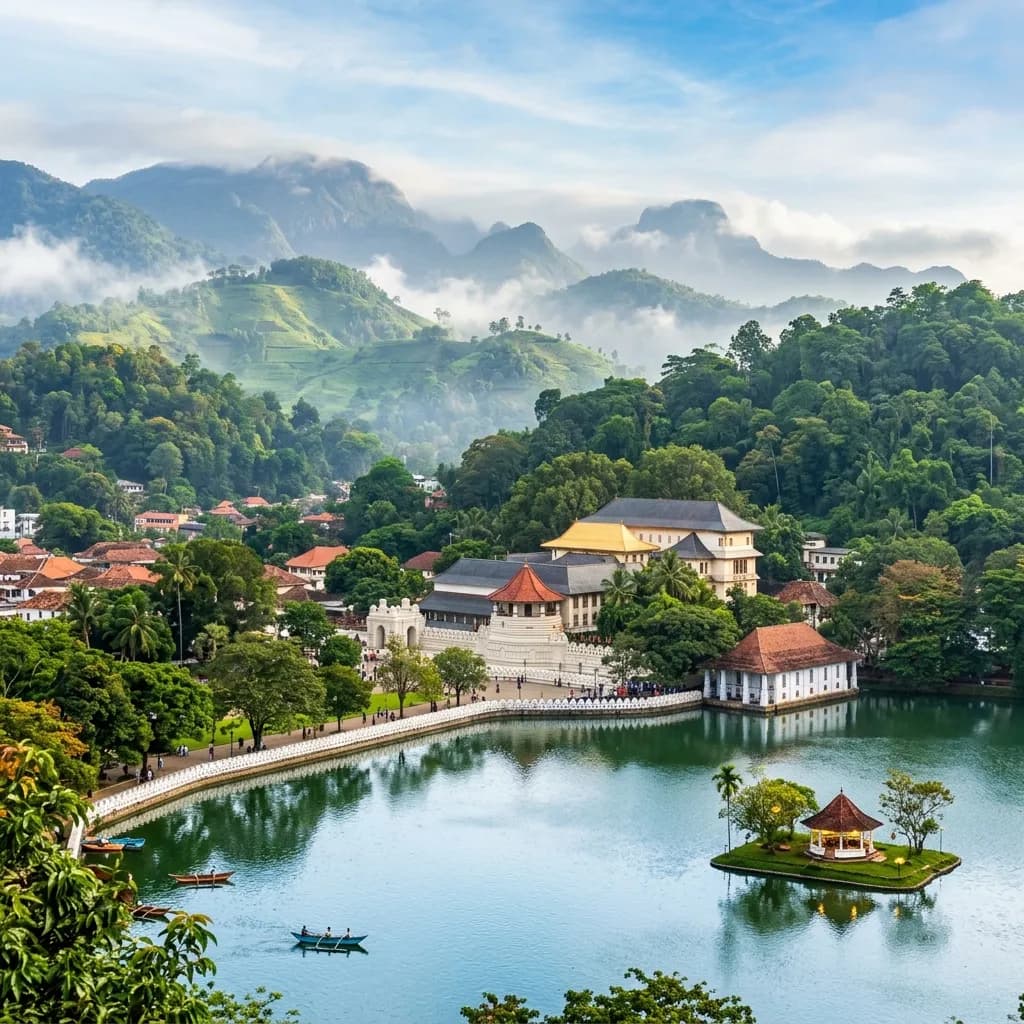
Climbing from 500 metres in Kandy to nearly 1,900 metres near Nuwara Eliya, this railway traverses Sri Lanka's central highlands. Over seven unhurried hours, the train snakes through cloud forests, eucalyptus ridges, and emerald tea estates.
This is not merely a transit link between tourist towns. It is a rolling window into the geography, history, and community life of Sri Lanka. Here is your definitive guide to planning, booking, and savoring this legendary journey.
Engineering a Mountain Lifeline: History of the Main Line
The railway was never built for tourists. During the 1860s, British colonial planters faced a transport crisis in the interior highlands.
Monsoon rains routinely washed out rugged mountain roads, stranding thousands of tons of high-grown coffee. Governor Sir Hercules Robinson commissioned chief engineer Sir Guilford Molesworth to build a railway into the mountain kingdom.
Work began in 1858 under punishing conditions. Laborers carved sheer rock faces by hand, dynamited granite ledges, and laid tracks through malaria-infested mountain jungle.
The line reached Kandy in 1867. As leaf blight devastated coffee estates, planters switched to tea, demanding the tracks extend higher.
The railway pushed past Hatton in 1884, reached Nanu Oya in 1885, and finally arrived in Ella in 1918. Today, modern diesel locomotives still follow this historic 19th-century mountain alignment.
Kandy or Peradeniya: Where to Board Your Train
Understanding where to board is the first critical decision for travelers. Many visitors assume every train departs directly from central Kandy railway station.
In reality, the Main Line from Colombo Fort bypasses Kandy on its journey into the high country. Central Kandy sits at the end of a short railway branch line.
Long-distance express trains stop at Peradeniya Junction, located six kilometres southwest of Kandy town. Only select daily trains reverse direction into Kandy station before continuing uphill.
If you book tickets departing from Peradeniya Junction, arrange a fifteen-minute tuk-tuk ride from your Kandy hotel. Boarding at Peradeniya often provides more departure options and avoids station shunting delays.
Route Geography: The Four Scenic Stages
The 156-kilometre railway journey unfolds across four distinct geographic zones. Each segment reveals a different face of Sri Lanka's central massif.
1. Kandy to Hatton: Ascending the Foothills
Leaving the Mahaweli river valley, the train begins its steady mountain climb. Tropical palms and banana groves gradually give way to steep eucalyptus ridges and pine forests.
As the train passes Nawalapitiya, the air turns cooler and crisper. Deep river canyons plunge beside the tracks, revealing dramatic torrents of white water tumbling over granite boulders.
Approaching Hatton, look for St. Clair's Falls tumbling down tiered rock ledges across the valley. Nearby Devon Falls plunges ninety-seven metres past the distant tree line.
2. Hatton to Nanu Oya: The Great Tea Valleys
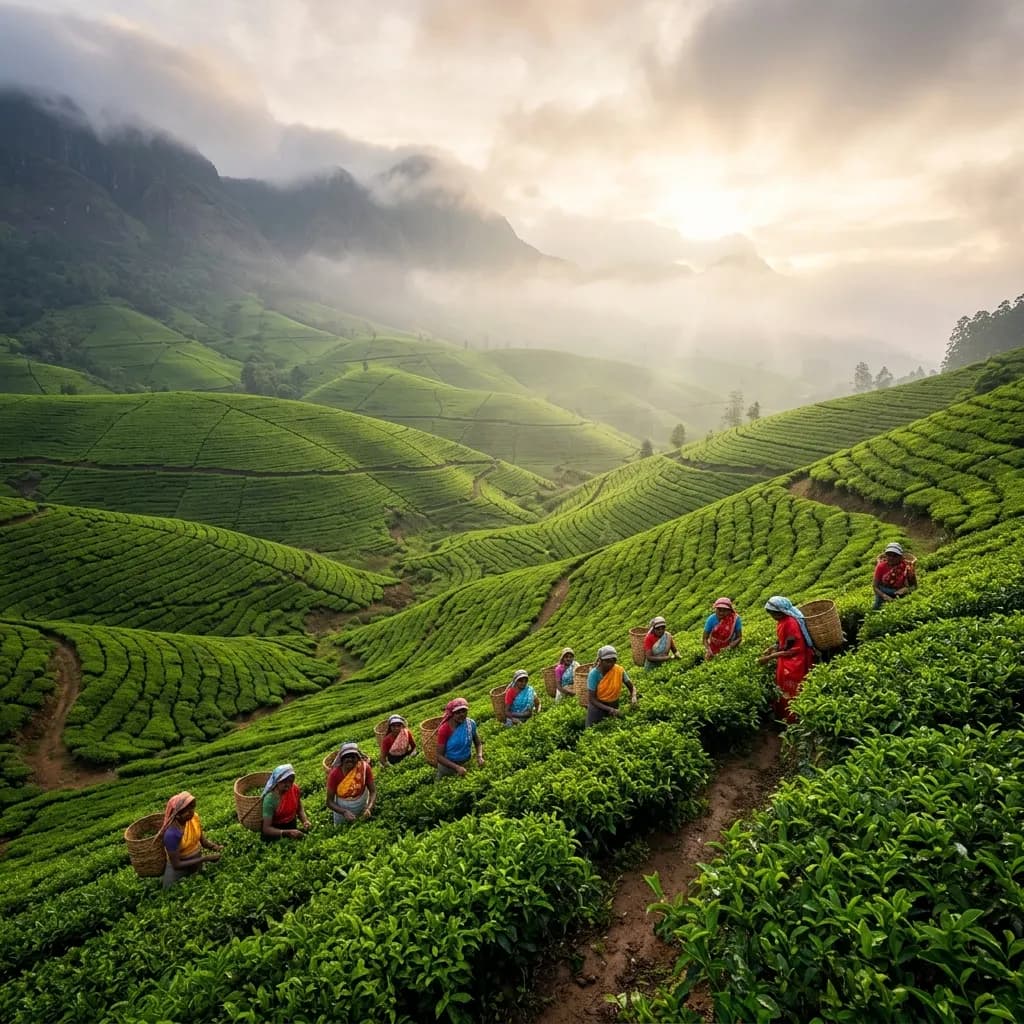
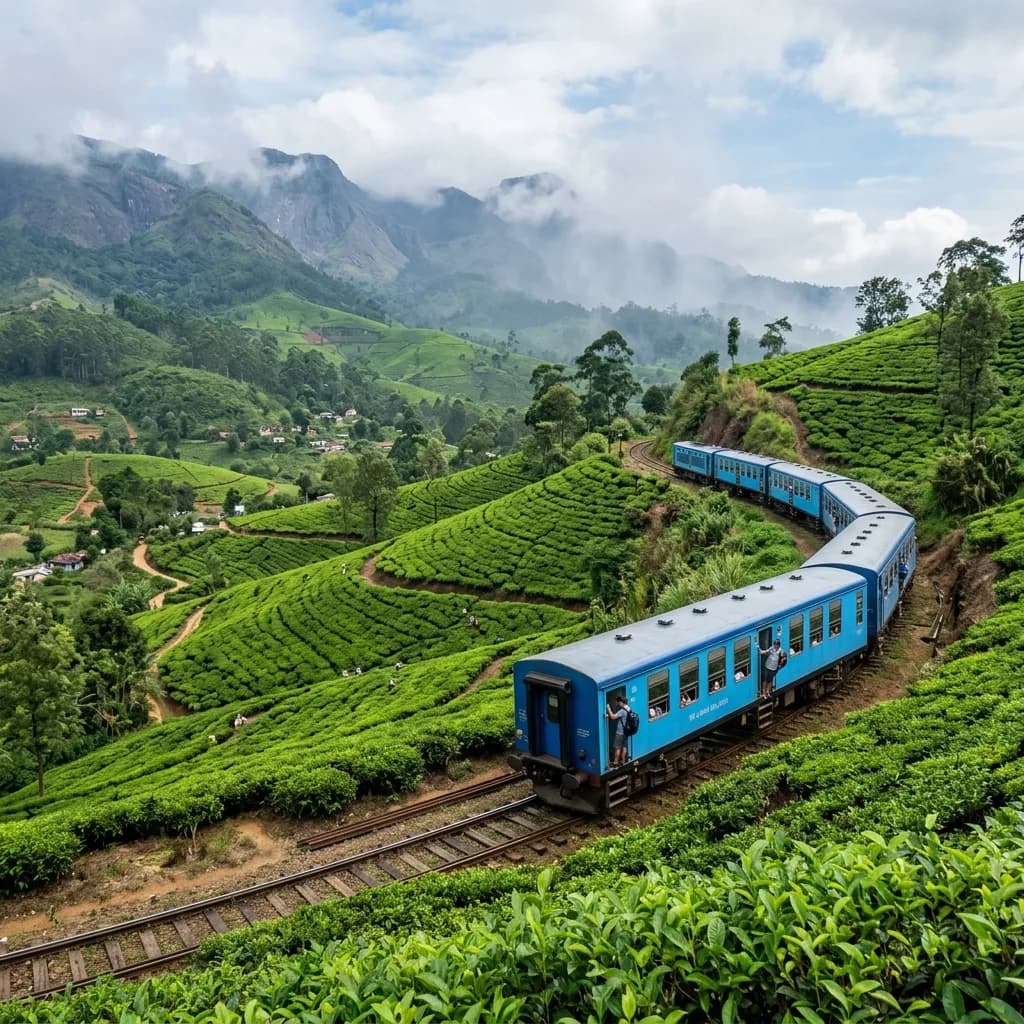
Past Hatton, the landscape transforms into unbroken emerald carpet. Neat rows of manicured tea bushes wrap every slope as far as the eye can see.
The train skirts the base of the Great Western mountain range, towering over 2,200 metres. Pluckers wearing bright headscarves navigate steep rows, tossing tender green leaves into wicker baskets.
The train halts at Nanu Oya station, perched at 1,600 metres. Most passengers visiting Nuwara Eliya disembark here for the short uphill road transfer.
3. Nanu Oya to Pattipola: The Highland Cloud Forest
The ascent from Nanu Oya climbs into the highest railway zone in Sri Lanka. Dense mountain mist frequently blankets the tracks, drifting through open carriage windows.
Rhododendron forests and mossy dwarf trees replace manicured tea bushes. The train reaches Pattipola station, the highest railway point in the country at 1,897 metres.
Just past Pattipola, the train plunges through Summit Level Tunnel No. 18. This tunnel marks a dramatic geographic dividing line. Entering the tunnel in wet mountain mist, the train often exits into brilliant blue sunshine.
4. Idalgashinna to Ella: The Grand Descent
Exiting the summit tunnel brings travelers to Idalgashinna station. Here, the tracks balance on a razor-thin mountain ridge with sheer drop-offs on both sides.
Looking north reveals the lush Welimada agricultural basin. Looking south reveals sweeping coastal plains stretching toward the distant Indian Ocean.
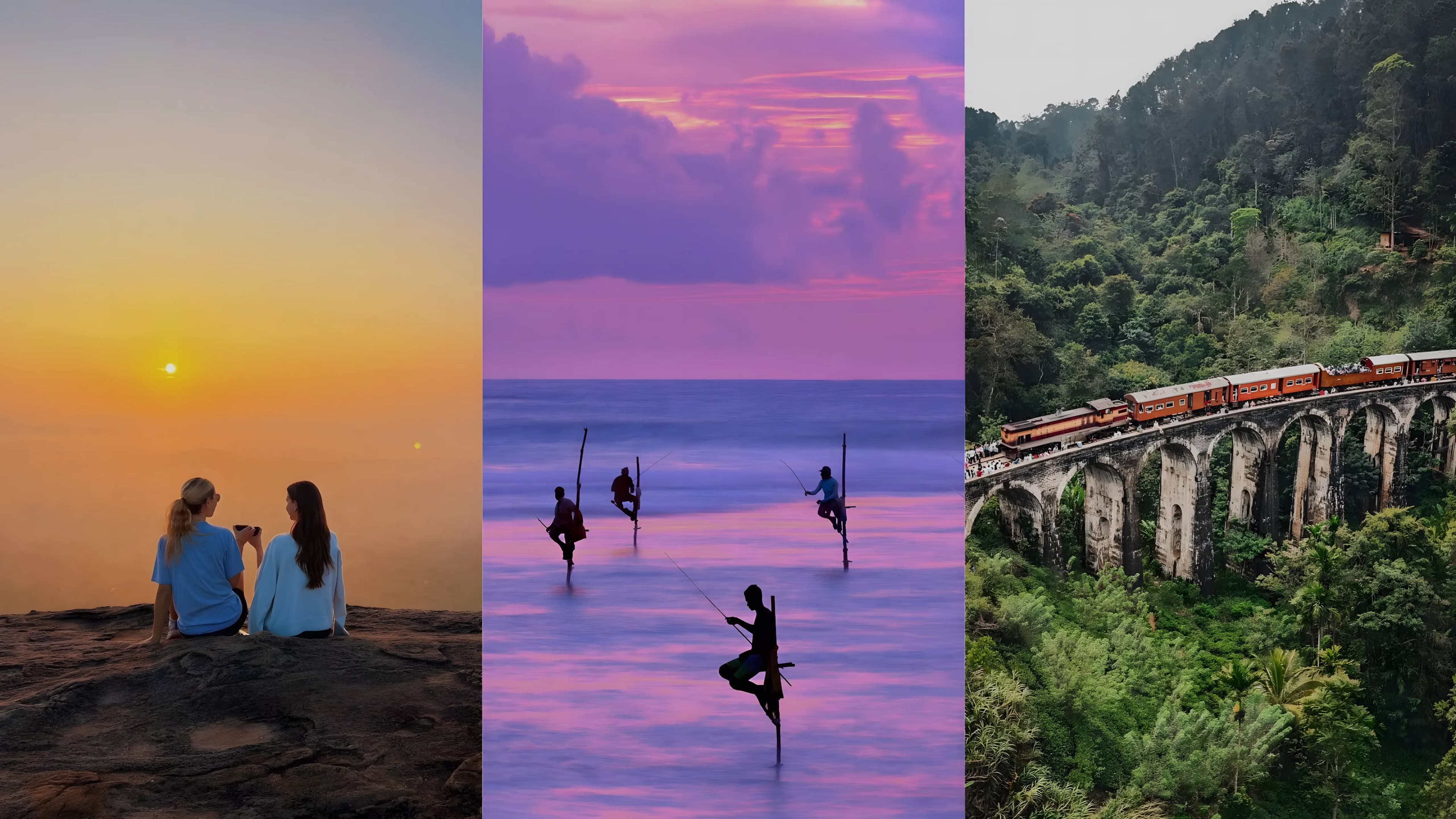
Past Haputale and Bandarawela, the railway winds through fertile vegetable terraces and pine groves. Finally, the train crosses high stone viaducts before gliding into Ella station beneath Ella Rock.
Which Side of the Train Has the Best Views?
Seating position dictates your photographic perspective throughout the ride. Because the tracks snake around winding mountain ridges, scenery alternates between left and right sides.
- Kandy to Nanu Oya: Sit on the right side for expansive valley panoramas, tea plantations, and waterfall views.
- Nanu Oya to Ella: Sit on the left side for dramatic cliff drop-offs near Idalgashinna and sweeping southern plain vistas.
If your assigned seat sits on the opposite side, do not panic. Passengers frequently stand in open carriage doorways or walk to vestibules to take photos.
Selecting Your Travel Class
Sri Lanka Railways offers three primary passenger classes on highland express trains. Choosing the right class depends on your travel priorities.
- First Class Reserved: Air-conditioned cars with plush seats. Sealed windows block mountain breezes and prevent glare-free photography.
- Second Class Reserved: The best option for travelers. You get an assigned padded seat, ceiling fans, and large open windows.
- Third Class Reserved: Features slightly narrower bench seats with open windows. It offers great views and a lively, social atmosphere.
- Unreserved Carriages: Sold on departure morning. These cars get extremely crowded, often forcing passengers to stand for hours.
How to Book Reserved Train Tickets
Reserved seats open for purchase exactly thirty days before your travel date at 10:00 AM Sri Lanka time. Due to immense global popularity, reserved seats sell out rapidly.
- Official Portal: Book online through the official Sri Lanka Railways ticketing portal (seatreservation.railway.gov.lk).
- Payment and E-Tickets: Pay using an international credit card to receive a digital booking confirmation with a QR code.
- Ticket Collection: Present your booking confirmation and passport at any major station counter to collect paper boarding passes.
Onboard Culinary Culture and Station Vendors
Traveling by mountain train is an authentic culinary adventure. At every major halt, licensed station vendors board carriages carrying hot delicacies in woven wicker trays.
Try warm ulundu vadai (crispy spiced lentil fritters) served with spicy sambal. Vendors also sell vegetable samosas, fried cassava chips, and spiced peanuts tossed with curry leaves.
Platform tea sellers carry stainless steel insulated urns. For under 100 LKR, they pour steaming cups of sweet ginger milk tea into paper cups.
Open Doorway Culture and Vital Safety Rules
Hanging out of open train doors has become an iconic social media sensation. The feeling of fresh mountain air rushing past is undeniable.
However, safety requires absolute vigilance. The Main Line passes through narrow rock-hewn tunnels and stone bridges where clearances are measured in inches.
- Grip Handrails: Always hold interior safety handrails firmly with both hands before standing near open doorways.
- Watch Clearances: Never lean outward. Rock faces, signal gantries, and overgrown tree branches sweep dangerously close to carriage walls.
- Mind Slippery Steps: Metal footboards can become slick with rain or morning dew. Wear shoes with reliable traction.
- Respect Fellow Travelers: Share doorway access generously with other passengers eager for a fresh breeze or photo.
An Unrivaled Rail Odyssey
As the train rolls into Ella station, afternoon shadows stretch across the tracks. Stepping onto the wooden platform, the cool mountain air welcomes you.
The ride dissolves into vivid memories: children waving from village crossings, mist swirling over tea estates, and wheels clicking over iron rails.
In an age of rushed air travel, Sri Lanka's mountain train proves that the journey itself can be the most rewarding destination.
Want to explore more?
Download our comprehensive E-Travel Guidebook for Ella.