Experiencing the Kandy Esala Perahera: A Complete Guide
By Stay Lanka Travels
A complete guide to Sri Lanka's most spectacular cultural festival, featuring adorned elephants, fire dancers, and ancient traditions.
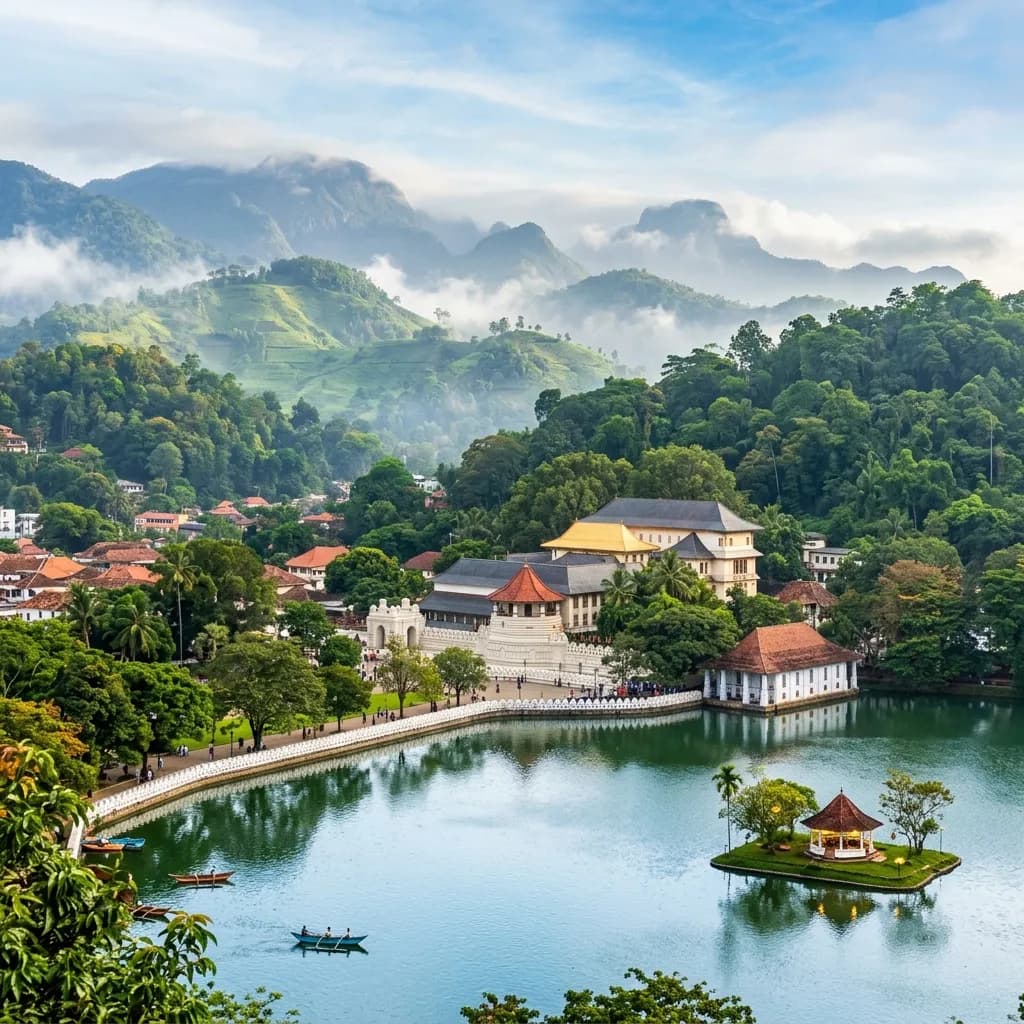
Dusk settles over Kandy Lake as mountain mist wraps the surrounding hills. Suddenly, a deafening crack ruptures the humid evening air. A whip cracker snaps his braided flax lash against the stone road.
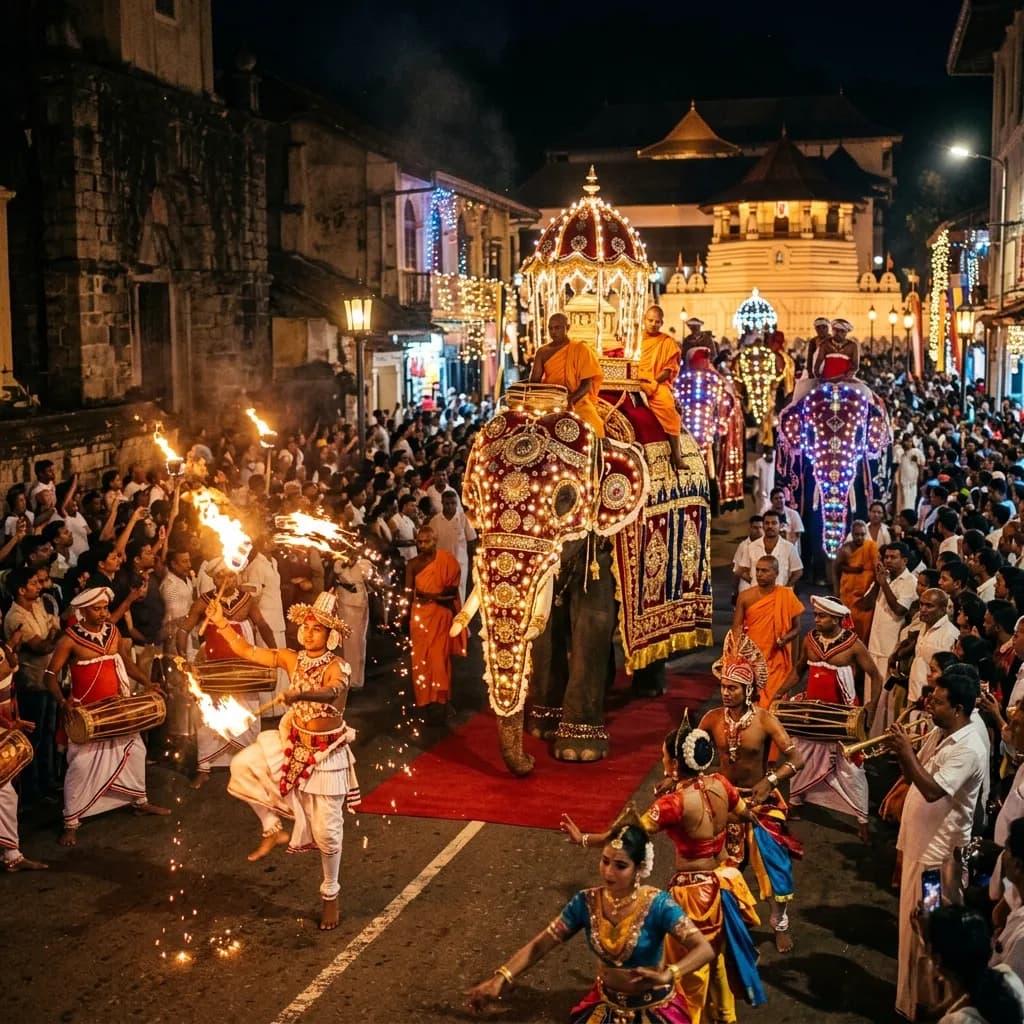
Within minutes, the central streets transform into a river of roaring flame and rhythmic thunder. Scented copra oil fills the breeze as hundreds of drummers strike heavy barrel drums in unison.
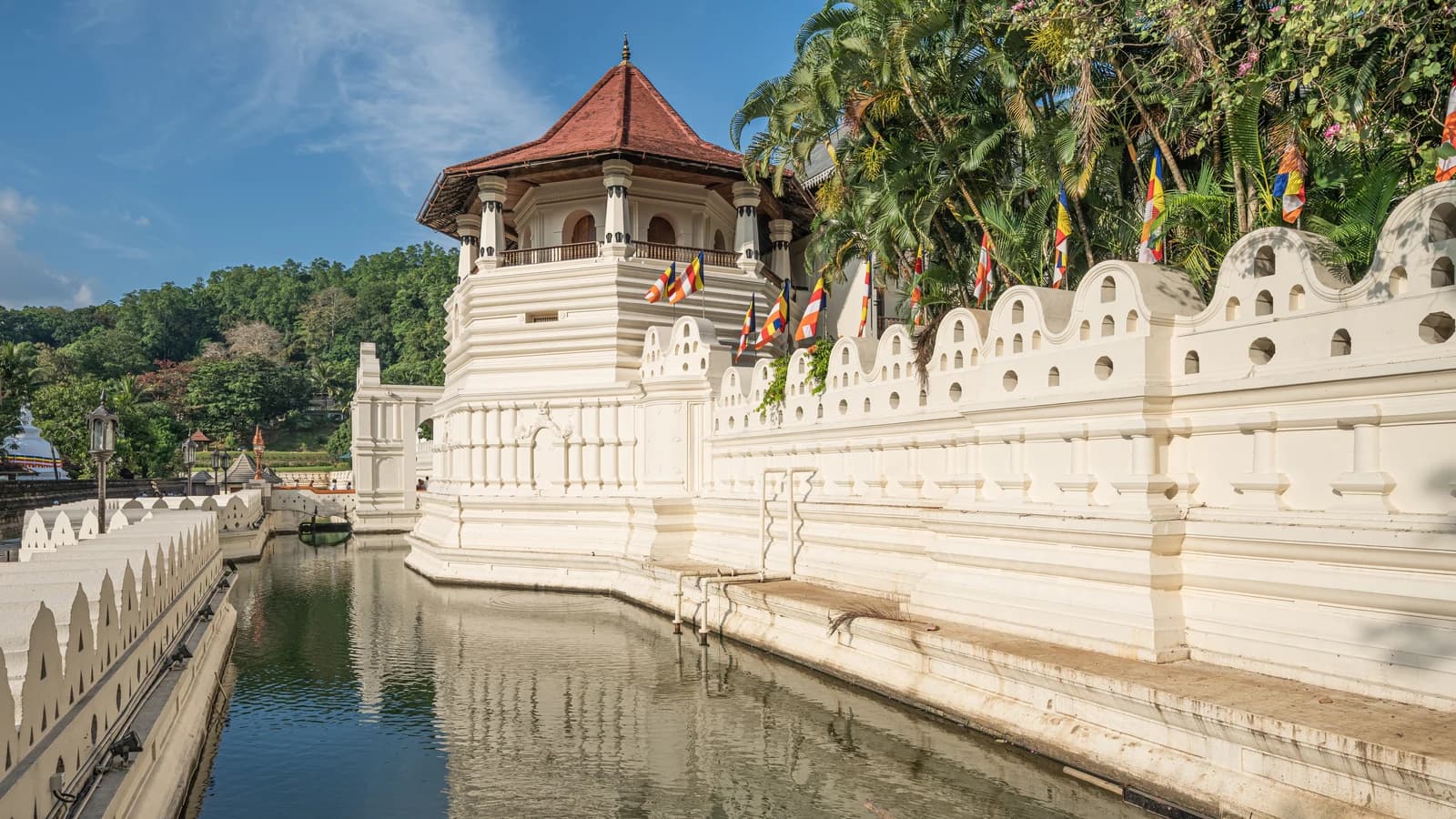
This is the Kandy Esala Perahera, Sri Lanka's oldest and most sacred cultural pageant. For ten consecutive nights every July or August, Kandy honors the sacred tooth relic of the Buddha (Sri Dalada).
More than an eye-catching street spectacle, the festival represents an unbroken spiritual lineage dating back to the fourth century CE. Here is the definitive guide to understanding, planning, and experiencing this world-renowned festival.
The Sacred Meaning and Origins
The roots of the Esala Perahera intertwine royalty, agriculture, and Buddhist devotion. Historical chronicles record that Prince Danta and Princess Hemamala smuggled the sacred Tooth Relic into Sri Lanka from Kalinga, India.
Possession of the sacred relic became the divine symbol of sovereign authority. Ancient kings believed parading the relic invoked rain deities, ensuring abundant harvests across dry agricultural plains.
The modern festival synthesizes two distinct spiritual traditions. Originally, the Esala festival honored guardian deities at local shrines. In 1775, King Kirti Sri Rajasinha decreed that the sacred Tooth Relic lead the procession.
Today, four historical Hindu shrines (Devales) join the central Temple of the Tooth procession. These shrines honor Natha, Vishnu, Kataragama, and the goddess Pattini. This harmonious pageant highlights centuries of shared Buddhist and Hindu heritage.
The Ritual Prelude: Kap Situweema
The public street parades do not mark the true beginning of the festival. Long before crowds arrive, priests perform the secretive Kap Situweema ritual.
Astrologers choose an auspicious hour shortly after the new moon. Temple officials fell a young jak tree (Artocarpus heterophyllus) that has borne no fruit. Woodcutters sprinkle the trunk with sandalwood water and scented oils before chopping it into four sanctified poles.
Officials carry one pole to each of the four historical devales. Priests plant the sacred cuttings inside internal temple compounds. For five consecutive nights, attendants circumambulate these poles within temple walls.
This private rite purifies the grounds and invokes blessings. Only after completing these internal ceremonies do temple chiefs permit the pageant to enter public streets.
The Ten-Night Procession Sequence
The public festival unfolds over ten consecutive nights according to the lunar cycle. The pageant grows progressively larger, louder, and more elaborate each evening.
1. Kumbal Perahera (Nights 1 to 5)
The first five nights form the Kumbal Perahera. These early processions are comparatively solemn, restrained, and less crowded.
The procession features smaller delegations of dancers and fewer adorned tuskers. Priests carry minor ceremonial insignia rather than the grandest golden caskets. Street barriers remain open later into the afternoon.
The Kumbal phase offers ideal viewing conditions for families traveling with children or elderly visitors. You can secure curb seats without waiting for seven grueling hours on concrete sidewalks.
2. Randoli Perahera (Nights 6 to 10)
The festival shifts into high gear on the sixth evening. Randoli refers to the golden palanquins once used by the queens of Kandy.
During this phase, dozens of majestic tuskers march in embroidered velvet regalia illuminated by thousands of twinkling bulbs. More than a thousand traditional dancers, drummers, and acrobats accompany the procession.
The final night coincides with the Nikini full moon Poya day. Hundreds of thousands of pilgrims fill every square foot of pavement in central Kandy. Energy in the city reaches an electrifying crescendo.
3. The Water-Cutting Ceremony and Day Procession
The festival concludes the following morning outside central Kandy. At dawn, senior priests travel to the Mahaweli River at Getambe.
Boarding decorated wooden boats, the priests row to the middle of the river. Using a consecrated golden sword, the chief priest strikes the flowing water in a sacred arc. He fills a golden chalice with river water, preserving it until the following year's ceremony.
That afternoon, the final Day Procession (Dawal Perahera) marches through Kandy streets under bright sunlight. This joyful daytime march officially closes the annual festival cycle.
Anatomy of the Procession: The Order of March
The parade follows an unbending, centuries-old sequence established during the Kandyan kingdom. Five separate processions merge into a single seamless column spanning over two miles.
1. The Vanguard Performers
- Whip Crackers (Kasakkarayo): Athletic men march first, clearing the road by snapping heavy braided whips that crack like gunshot.
- Fire Spinners (Gini Sisila): Acrobats swing iron cages filled with burning coconut husks, sending arcs of orange sparks into the dark sky.
- Flag Bearers (Kodiya): Attendants carry royal provincial banners and ancient regional flags representing the historic Kandyan provinces.
- Peramune Rala: The official herald rides a decorated tusker, carrying the royal register documenting temple land endowments.
2. The Drummers and Ves Dancers
Next come hundreds of drummers playing the double-headed Geta Beraya. Strapped to their waists, these wooden drums produce syncopated, hypnotic hill country rhythms.
Beside the drummers leap traditional Ves dancers. These elite performers spend decades mastering sixty-four classical dance forms. They wear stunning silver headdresses, brass breastplates, and tinkling ankle bells.
3. The Sacred Maligawa Tusker
The emotional climax arrives with the Maligawa Tusker. This magnificent elephant carries the golden Karanduwa replica casket containing the tooth relic.
A broad white canvas carpet (Pavada) is unrolled before the tusker's feet so its toes never touch bare asphalt. Temple attendants walk beside the tusker, holding silk canopies and waving ceremonial yak-tail fans.
4. The Devale Processions
Following the Buddhist contingent come the four devale processions in strict historical order: * Natha Devale: Honors the future Maitreya Buddha with subtle white costumes. * Vishnu Devale: Features deep blue robes honoring the guardian preserver deity. * Kataragama Devale: Brims with fiery peacock feathers and energetic Kavadi folk dancers. * Pattini Devale: Honors the goddess of fertility, health, and maternal healing.
How to Secure the Best Views
Finding a vantage point requires careful advance planning. Kandy closes to automobile traffic early each afternoon during the festival.
- Street-Side Curbs: Claiming a spot on the pavement is free. You must arrive by 2:00 PM and sit on cardboard for hours under the sun.
- Reserved Balcony Seats: Shops and restaurants along Dalada Veediya sell plastic balcony chairs. Tickets range from $50 to $120 USD depending on the night.
- Historic Hotels: The Queen's Hotel and Hotel Suisse offer direct procession views from historic colonial verandas. Book rooms up to nine months in advance.
Confirm your seat location on an official route map before paying. Ensure your chair sits on the upper balcony level away from jostling sidewalk crowds.
Essential Practical Advice for Visitors
- Respectful Dress: Wear clean white or light-colored attire covering shoulders and knees. White clothing honors Buddhist pilgrimage tradition and keeps you cool.
- Checkpoints: Police maintain security checkpoints across central Kandy. Leave large backpacks, drones, and heavy equipment at your hotel.
- Hydration and Snacks: Pack plenty of bottled water and biscuits. Moving through dense sidewalk crowds becomes impossible once parades begin.
- Photography Rules: Turn off camera flashes completely. Sudden flashes can startle adorned tuskers marching along narrow streets.
- Toilet Facilities: Public restrooms are scarce and overwhelmed. Plan your meals and water intake to avoid needing facilities mid-procession.
An Enduring Cultural Wonder
The Kandy Esala Perahera is not an orchestrated performance for tourists. It is a living, breathing pulse of national identity that has survived colonial occupation and modern urbanization.
When the thundering drums echo off the Hantana hills, ancient history awakens. The brilliant swirl of fire, faith, and music creates an experience that lingers in memory for a lifetime.
Want to explore more?
Download our comprehensive E-Travel Guidebook for Ella.