Galle's Southern Coast: Beaches, Surf and Stilt Fishermen
By Stay Lanka Travels
The southern coast around Galle is more than Unawatuna selfies and fort walls. This guide covers the real beaches, surf breaks, stilt fishermen, and coastal villages that make this stretch of Sri Lanka worth staying longer.
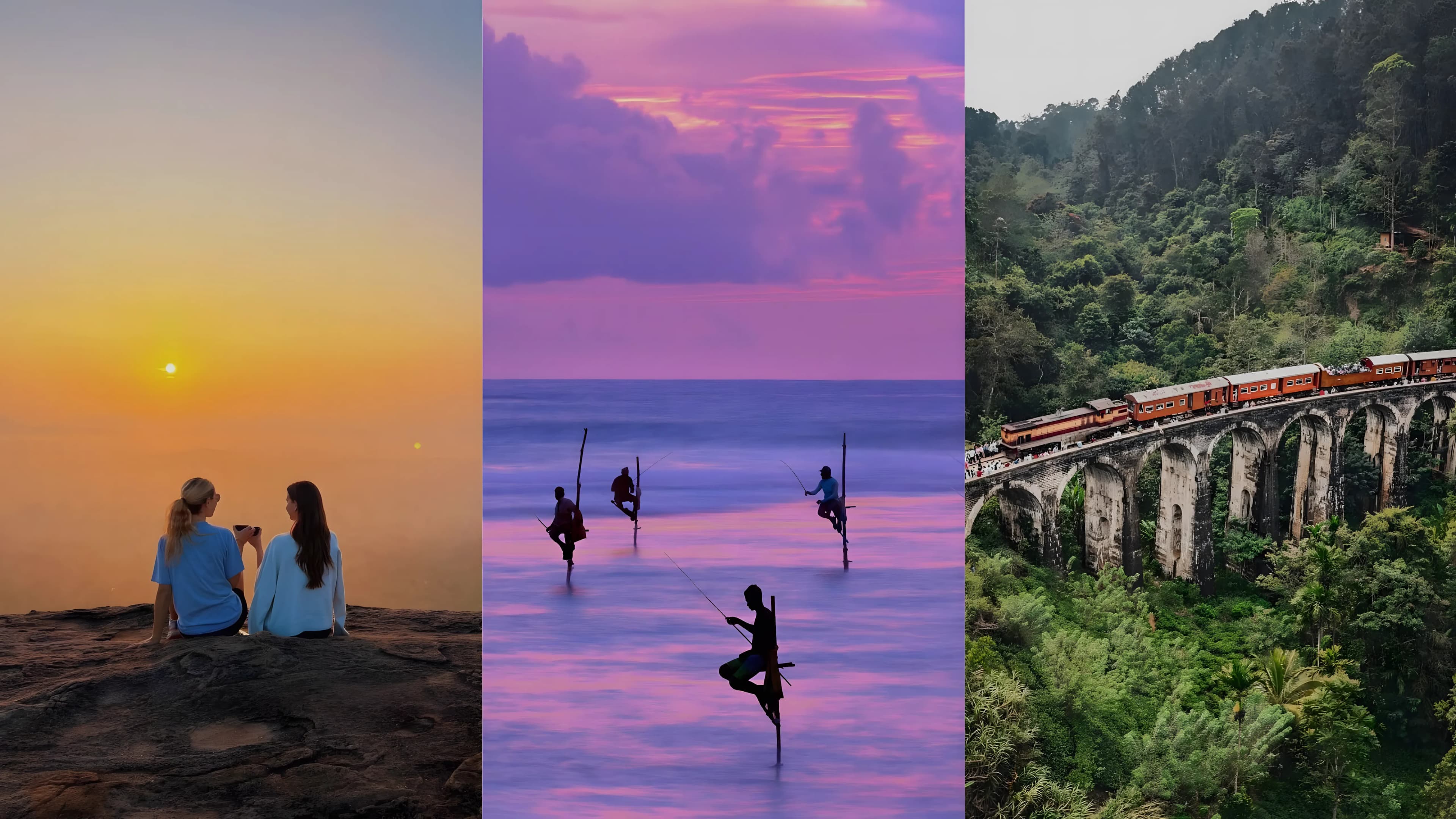
The man perches on a narrow cross-pole barely wider than his thigh, maybe four metres out from the shoreline at Koggala. The surf is running small. He doesn't move. His line hangs slack in the water below, and he's watching it the same way you'd watch a slow fire.
You could walk past this a hundred times on the southern coast and still not fully understand what you're looking at. The stilt fishermen of Sri Lanka are real fishermen, not performers, even if the camera phone situation suggests otherwise. They've been working like this since the Second World War, when the shortage of good inshore spots forced them to innovate.
That image, an old man fishing from a stick in the surf, somehow captures this whole stretch of coast. It's a place that's been doing things its own way for a long time.
The Southern Coast Near Galle: More Than You Expect
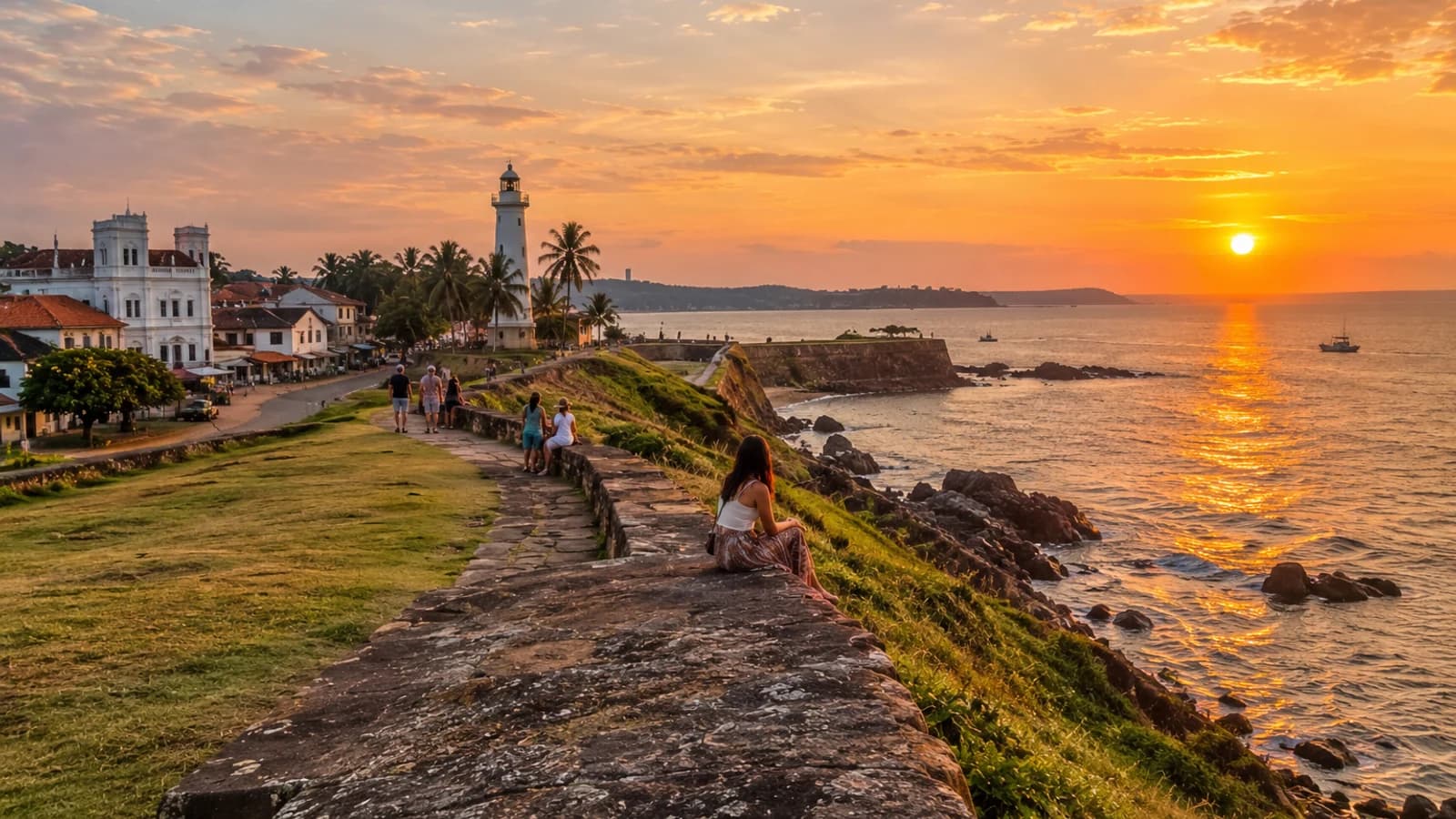
Most visitors arrive at Galle Fort, spend a day walking the ramparts, eat somewhere on Leyn Baan Street, and then shuttle south to Unawatuna. That's a reasonable first trip. It's not the complete one.
The coast that runs east from Galle toward Koggala and Ahangama is quieter, less photographed, and more interesting. It's where working fishing villages share the shoreline with surf breaks that have been running since the sport arrived in Sri Lanka in the 1970s. The geography here changes quickly: wide sandy bays tuck between rocky headlands, lagoons open up behind the coastal road, and the Indian Ocean does exactly what it wants depending on the season.
This isn't a pristine, undiscovered coastline. The A2 highway runs the length of it. But if you get off the highway and walk toward the water, you find the version of the southern coast that travel articles rarely spend enough time on.
Unawatuna: The Anchor Point
Unawatuna is unavoidable, and it earns its reputation. The main bay is a broad south-facing crescent with calm water inside a natural reef, which is exactly why it became the anchor point for the southern coast's tourist economy.
The reef protects swimmers from the worst of the Indian Ocean swell, though it's not as flat as it was twenty years ago — storms have reshaped parts of the outer barrier. On a calm day, the water in the bay is genuinely beautiful: pale green over the shallow sand, deepening to blue toward the reef edge.
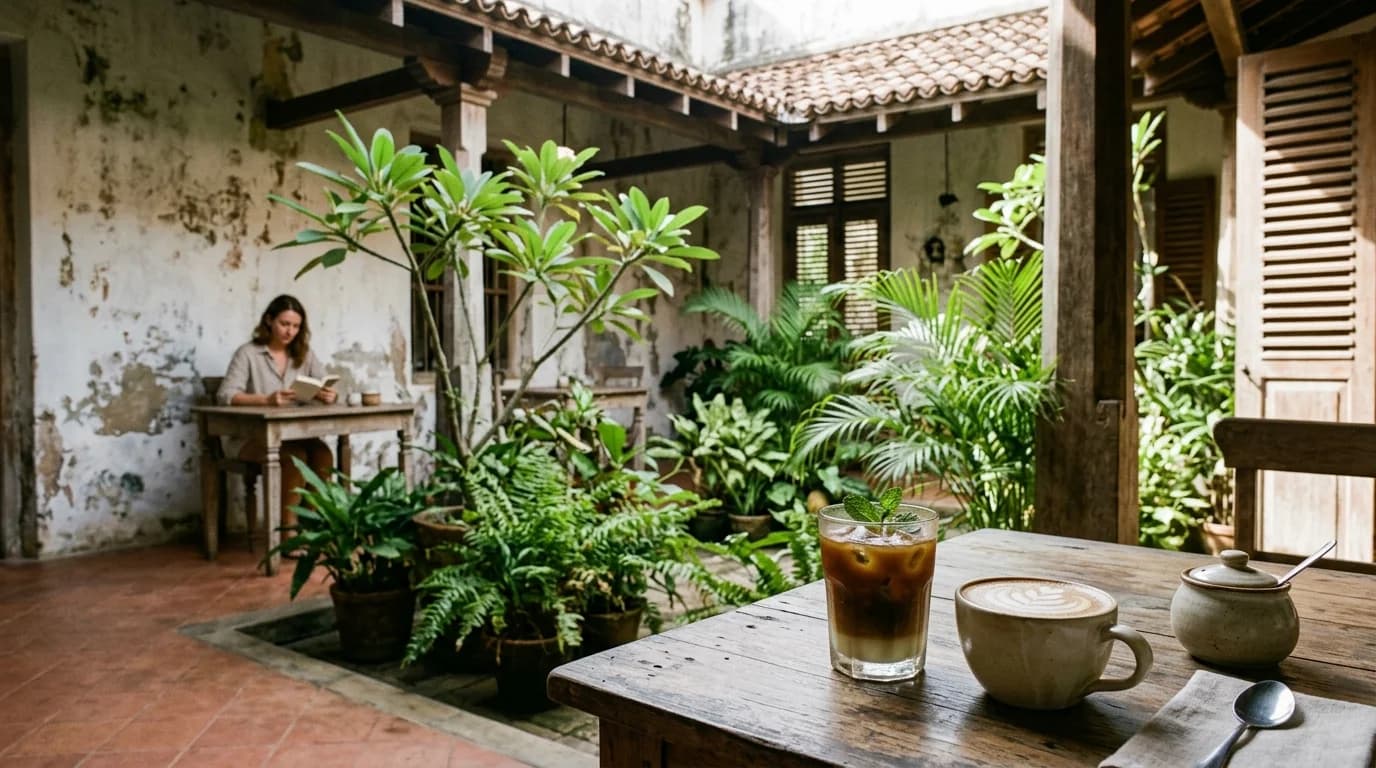
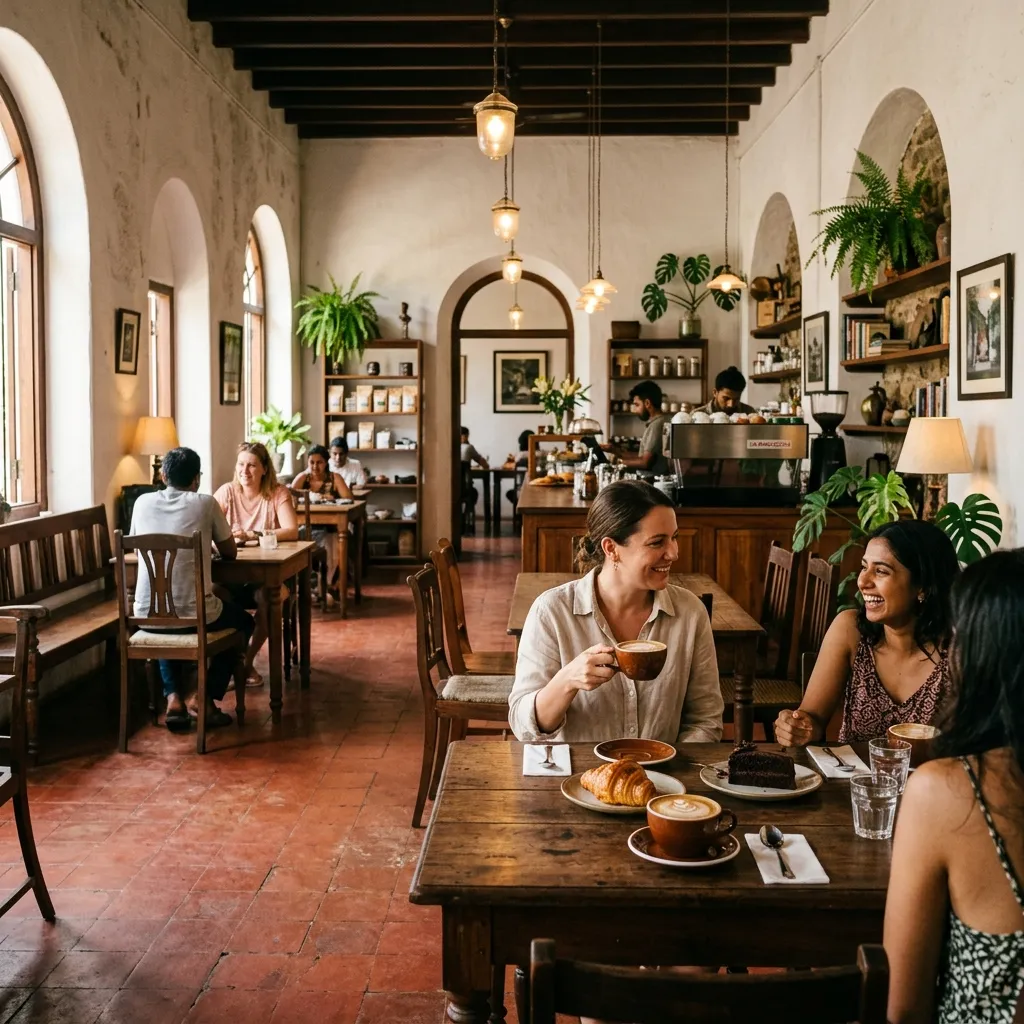
What Unawatuna does well now is food. The strip has lifted its game significantly. You can eat wood-fired pizza at the shoreline, proper Sri Lankan rice and curry at the family places one street back, or a proper espresso at the cafés near the fort road junction. It's busy, and the beach itself gets crowded by midday, but the early morning is yours.
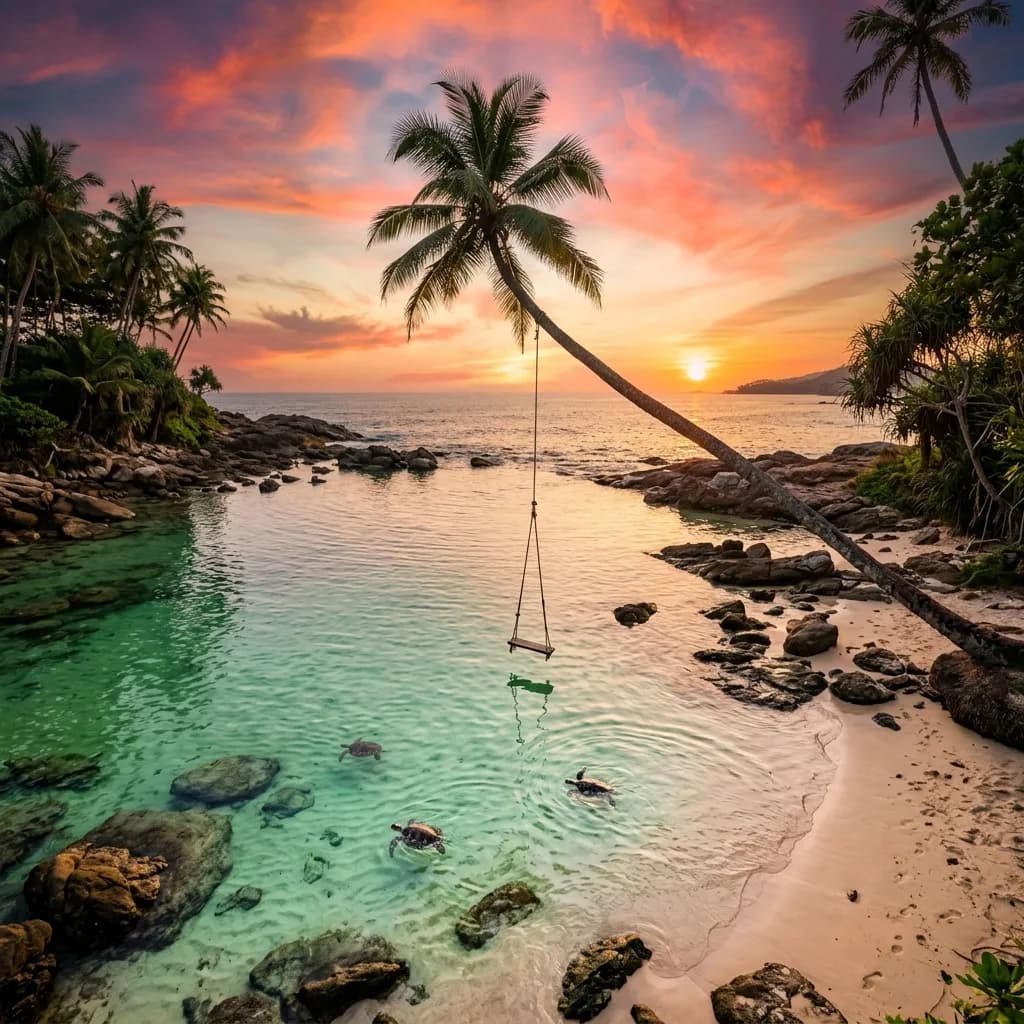
The less obvious move is to walk east along the beach toward the rocky headland and Jungle Beach. It's a 20-minute walk through a quiet forest path, and the small cove at the end is half the size and a fraction of the crowd. No sunbeds for hire, no sound system. Just a beach.
Koggala and the Stilt Fishermen
Koggala is about 12 kilometres east of Galle on the A2. It sits behind Koggala Lake, a large inland lagoon rich with birdlife, and faces the open sea across a strip of coast where the stilt fishermen work.
The stilts are positioned at fixed spots along the shoreline. The poles, called koluwa, are planted in the sandy sea floor. Each spot is inherited or rented — they have ownership, in other words. You'll see fishermen working them in the early morning and again in the late afternoon when the light is low and the fish are moving.
If you want to photograph them without it feeling like a transaction, go early. Very early. Walk down to the shoreline before 7 AM when the tour buses haven't arrived and the light is coming in at a low angle across the water. The fishermen are working then, not posing. The difference is visible.
Koggala Lake itself is worth a couple of hours, separate from the coast. Long-tailed shikra, purple herons, and painted storks work the shallower edges. Several tour operators in the area run lake boat trips, and the island temples on the lake are open to visitors. It's a good afternoon option if the surf is flat and you've already done the beach.
Midigama and the Surf Breaks
Midigama, about 20 kilometres east of Galle, is where the coast's surf culture lives. It's been a surf town since the sport arrived in Sri Lanka, and it doesn't make a big deal of it. The vibe is more late-1990s than Instagram, which is either a problem or the whole point depending on who you are.
The main breaks around Midigama are well-documented in surf travel circles. Ram's Right is a consistent right-hander that works best on a south swell, breaking over a shallow reef in a way that rewards experienced surfers with a long, makeable wave. Lazy Left is a more forgiving option on the opposite side, shorter but better for intermediates finding their footing on reef breaks.
The water here is not beginner-friendly by default. These are reef breaks, and the shallow sections are genuinely shallow at low tide. Most of the surf schools operating in the area steer learners toward the sandier beaches further along toward Weligama, which is smart. Weligama Bay has a gentle beach break that's been teaching beginners to surf for years.
Board rentals and surf lessons are available from several operators along both Midigama and Weligama beachfronts. The quality varies — ask your accommodation for a recommendation rather than booking the first sign you see on the roadside.
Ahangama: The Quiet Middle
Between Midigama and Weligama, Ahangama is the town that most people drive straight through. That's a reasonable choice if you're only passing, but it's worth knowing what's there if you're looking for a quieter base than Unawatuna.
The beach at Ahangama is a long, wide strip facing southwest, open to swell, and not particularly set up for swimming, but beautiful to walk on in the late afternoon when the fishing boats are coming in. The village has a handful of guesthouses that attract longer-stay surfers, and the food scene is small but honest — a few local places doing rice and curry, a bakery, and a couple of cafés that understand coffee.
The stilt fishermen appear here too, at a spot just before the Ahangama junction. There's a roadside lay-by where drivers tend to stop, which means the fishermen at this location are used to the cameras. If that bothers you, the Koggala spots are less trafficked.
When to Visit and What the Seasons Actually Mean
The southern coast runs on two monsoon seasons, and they matter more here than almost anywhere else in Sri Lanka.
December through April is the dry season for the south. Seas calm down, the sky stays clear, and the beaches are at their best. This is peak season, and prices in Unawatuna reflect it. Surf on the south-facing breaks requires a solid south swell, which is less consistent in these months.
May through October is the southwest monsoon. The seas build, surf gets good, and the south coast beaches become rougher. Swimming at open beaches is inadvisable. The reef-protected bays at Unawatuna remain swimmable even during the monsoon, though overcast skies are the norm.
November is a transition month, often producing stormy periods from both monsoon directions before the south settles into its dry season. If you're choosing between a week in peak season and a week in the shoulder months, the shoulder offers better surf, fewer crowds, and lower rates — at the cost of reliable sunshine.
Questions Travellers Ask About Galle's Southern Coast
How far are the stilt fishermen from Galle? The main stilt fishing spots near Koggala are around 12 kilometres east of Galle Fort on the A2 highway. A tuk-tuk from Galle takes roughly 20 to 25 minutes depending on traffic. The fishermen work mainly in the early morning and late afternoon — early morning is quieter and the light is better for photographs.
Is Unawatuna beach good for swimming? Yes, for most of the year. A natural reef offshore protects the main bay and creates calm, swimmable water inside. The water is warmest and clearest from December through April. During the southwest monsoon from May to October, the reef still provides protection, but conditions can get rough on stormier days — check locally before you swim.
Where is the best surf near Galle? The best surf near Galle is at the breaks around Midigama, about 20 kilometres east on the A2. Ram's Right and Lazy Left are the main reef breaks and suit intermediate to experienced surfers. Beginners are better off at Weligama Bay, a further 5 kilometres east, where a gentle beach break and multiple surf schools make learning easier.
Can you see stilt fishermen all year round? Yes. The stilt fishermen work year-round, but conditions and catch vary with the season. Early morning visits give you the best chance of seeing them actively fishing rather than posing for passing tour groups. The spots near Koggala and Ahangama are the most reliable locations.
Is the southern coast near Galle worth more than a day trip? Easily. Unawatuna as a base gives you convenient access to the fort, the beaches, Koggala, Midigama, and Weligama. Two to three nights lets you explore without rushing. Surfers, in particular, benefit from a longer stay to read the conditions and catch a good day on the water.
Staying Longer Than You Planned
The southern coast near Galle has a way of extending trips. You arrive planning two nights and find reasons for a fourth. Maybe it's the morning walk along Unawatuna before the beach fills up. Maybe it's a good session at Midigama that you want to chase again tomorrow. Maybe it's just sitting at a shoreside table in Ahangama watching the fishing boats come in at dusk, eating a plate of rice and curry that cost less than a coffee back home.
The stilt fishermen are still there when you get back from wherever the coast takes you. Patient on their poles, watching the water, completely indifferent to the schedule you had in mind.
That's the southern coast. It keeps going. You should too.
Explore more of the Galle region with our guides to Galle Fort's hidden streets, the best cafés in the old town, and where to stay on the southern coast.
Want to explore more?
Download our comprehensive E-Travel Guidebook for Ella.