The Ultimate Guide to Wijaya Beach, Thalpe
By Stay Lanka Team
Everything you need to know about visiting Wijaya Beach (Dalawella Beach) in Sri Lanka. From the famous palm tree swing to swimming with sea turtles in the rock pools.
Tucked along Thalpe's golden coastline ten minutes south of Unawatuna, Wijaya Beach is a south coast wonder. Punishing ocean swells batter southern Sri Lanka for much of the year. Yet here, an offshore coral reef creates a tranquil swimming sanctuary.
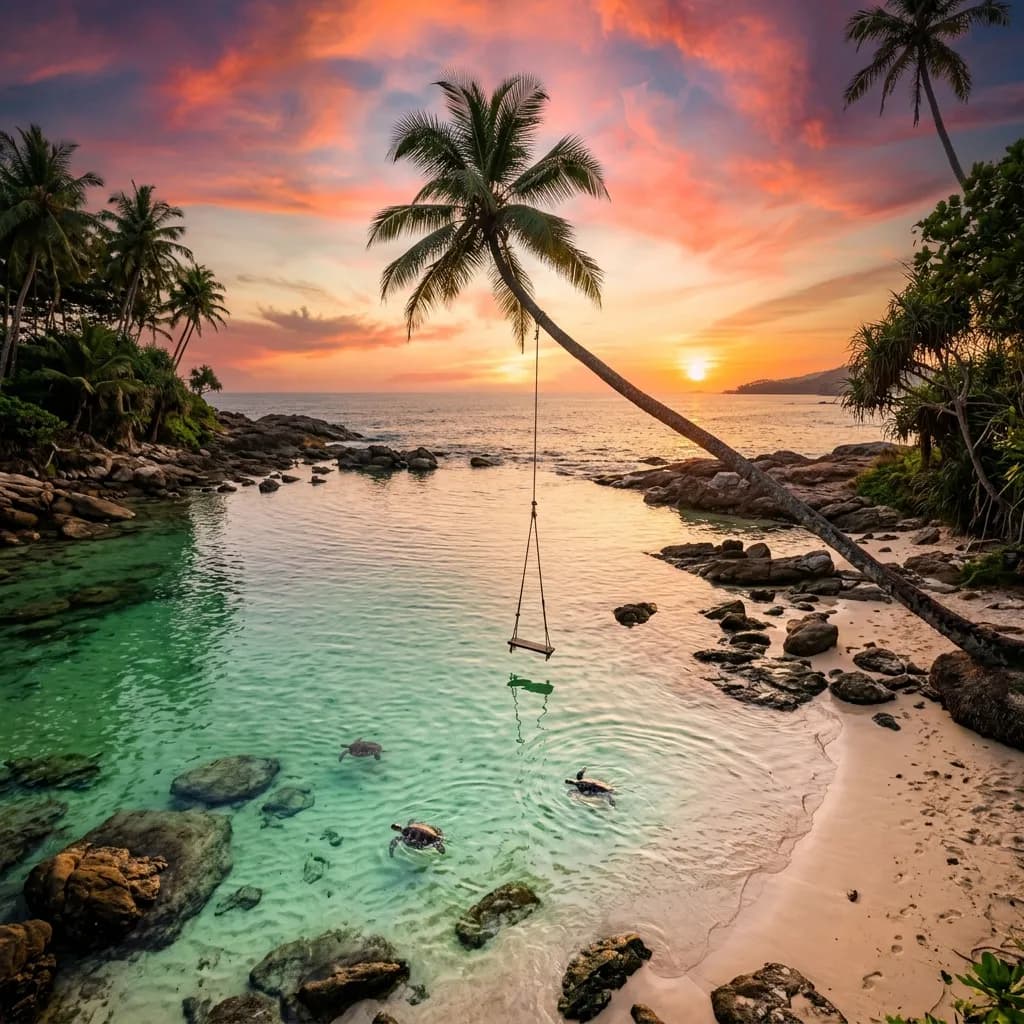
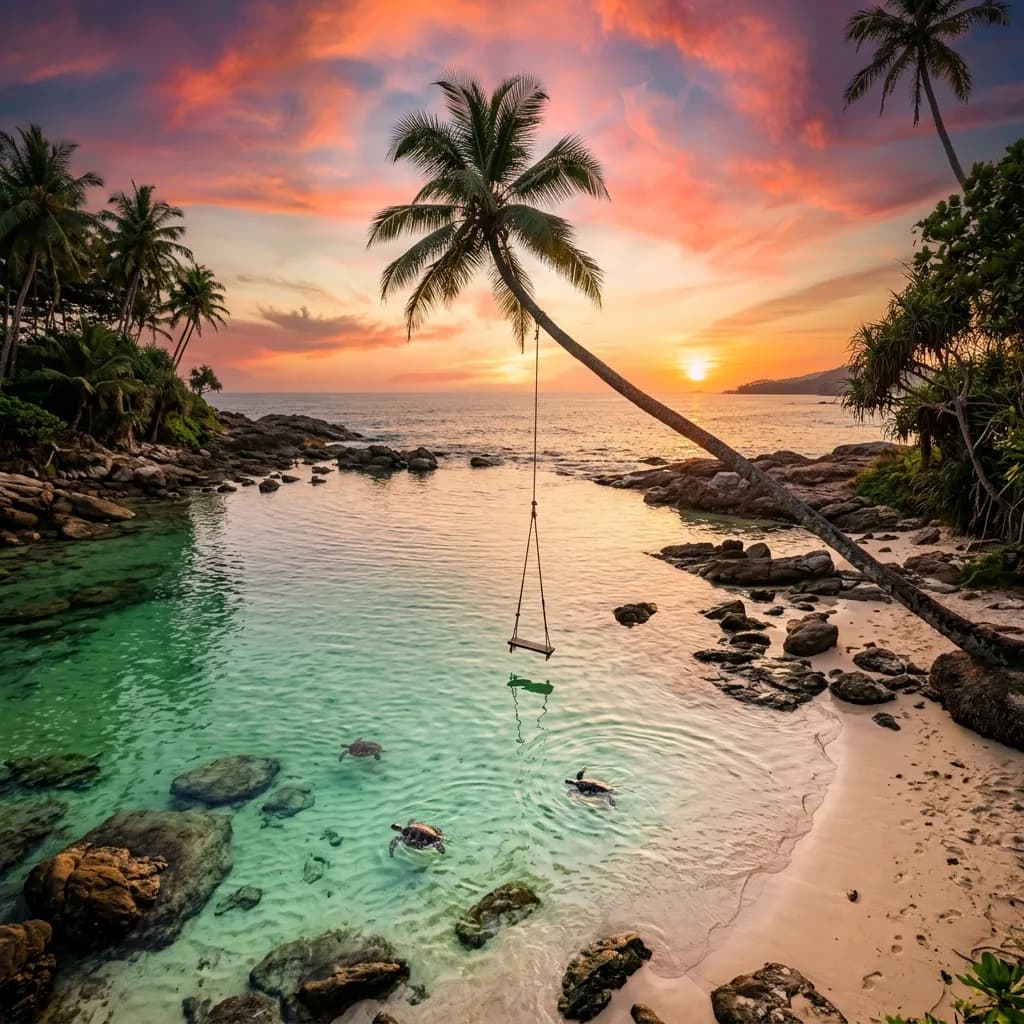
Locally known as Dalawella Beach, this palm-fringed cove is famous for its rope swing and wild green sea turtles. Most visitors end up lingering for an entire afternoon of snorkeling and fresh wood-fired pizza.
Beyond viral photos, Dalawella offers authentic coastal charm. You can snorkel over shallow seagrass beds beside wild turtles. A short stroll down the sand reveals historic rectangular pools cut into the tidal rock shelf.
Understanding the Coastline: Wijaya, Dalawella, or Thalpe?
First-time visitors often find the naming of this coastline confusing. Maps alternate between Wijaya Beach, Dalawella Beach, and Thalpe. Clearing up this geography helps you navigate smoothly.
Dalawella is the geographical name for the bay. Thalpe is the seaside village stretching southward toward Habaraduwa. Wijaya Beach Restaurant is the oceanfront eatery that put this cove on the travel map.
Visitors frequently call the entire cove Wijaya Beach. Stating either Dalawella Beach or Wijaya Beach brings you to the exact same sand. The western pocket hosts the rope swing, while the southern end features wilder rock shelves.
1. The Iconic Palm Tree Rope Swing at Dream Cabana
The famous palm tree rope swing remains one of Sri Lanka's most recognizable photo spots. The swing hangs from a curved coconut palm angling toward the sea. It sits directly in front of Dream Cabana guesthouse, just north of Wijaya Restaurant.
Guesthouse staff maintain the thick coir rope daily. They charge roughly 500 LKR for several soaring swings over the water, providing a push for momentum.
Midday brings harsh sun and strong water glare. Arriving around 5:00 PM treats you to soft golden hour light and dramatic silhouette shots.
Always verify water depth before swinging out over the bay. At low tide, exposed coral heads sit closer to the surface. High tide provides deeper water beneath the swing arc. Never attempt flips or dive into the shallow lagoon.
2. Snorkeling with Wild Sea Turtles
A resident population of wild green sea turtles (Chelonia mydas) feeds daily inside the sheltered cove. These gentle marine reptiles can weigh up to two hundred kilograms.
The turtles swim into shallow water to graze on underwater seagrass beds. You will often spot their dark shells breaking the surface just twenty meters from shore. Observing them requires only basic swimming ability and a snorkel mask.
Water clarity peaks during early morning hours between 7:30 AM and 10:00 AM. Calm winds keep surface chop low. Later in the day, foot traffic stirs fine sediment, reducing underwater visibility.
Ethical wildlife etiquette is vital for protecting these creatures. Never touch, chase, or attempt to ride a feeding turtle. Approaching closer than three meters causes visible stress. Always leave a clear path toward open water so the reptile can surface easily.
3. Safe Swimming in the Natural Reef Lagoon
Much of southern Sri Lanka experiences treacherous rip currents and punishing shore breaks. Nearby surf breaks like Midigama frequently challenge casual swimmers. Wijaya Beach represents a rare, calm exception along this exposed coastline.
A broad fringing coral reef acts as an offshore breakwater roughly one hundred meters out. Heavy Indian Ocean rollers expend their energy against this limestone barrier. Inside the barrier, calm water laps gently against the golden sand.
The lagoon maintains a safe depth between waist-deep and chest-deep across wide stretches. Families traveling with children can swim without fighting undertows. Swimmers should still stay alert during strong tidal shifts.
Wearing reef shoes provides helpful protection inside the lagoon. The sandy floor contains scattered clusters of dead coral rubble and smooth stones. Stay within the protected inner basin, and never climb onto the exposed outer reef edge.
4. Thalpe's Historic Coir Retting Rock Pools
Walking ten minutes south brings you to Thalpe's best-kept secret. Here, the sandy bay gives way to a wide limestone reef shelf. Carved into this solid rock platform are dozens of rectangular saltwater pools.
These sunken basins were hand-carved during the British colonial era. Villagers soaked coconut husks in the brine for months to extract fibers for rope making. That cottage industry has long since moved inland.
Today, these sunken stone pits serve as private natural plunge pools. Ocean waves spill fresh seawater over the outer ledge with every incoming swell. Sitting inside a rock pool feels like lounging in an unheated open-air bath.
Low tide provides the optimal window to explore this landscape. The stone dividers emerge cleanly above the ocean surface. The still water inside reflects pastel sunset clouds like mirrors.
5. Oceanfront Dining at Wijaya Beach Restaurant
Founded decades ago by a Swiss-Sri Lankan couple, Wijaya Beach Restaurant is a southern landmark. The open-air dining terrace sits mere feet above the high-tide waterline.
The kitchen's reputation centers on its wood-fired pizzas baked in a traditional clay oven. The crust is blistered, thin, and crisp. Popular toppings include imported Parma ham, creamy gorgonzola cheese, and sweet caramelized onions.
Seafood lovers should order the yellowfin tuna sashimi served with pickled ginger and wasabi. The kitchen also prepares fragrant curry sets featuring freshly caught seer fish. Pair your meal with chilled wine or an icy Lion lager.
Seating along the ocean rail fills up rapidly every evening. The restaurant does not accept advance dinner reservations for terrace tables. Arrive by 4:15 PM to secure a front-row seat for sunset.
6. Transportation Logistics
Reaching Wijaya Beach is simple whether you travel by motorized three-wheeler or private scooter. The beach sits along the main coastal highway connecting Galle to Matara.
- From Galle Fort: A tuk-tuk ride takes twenty minutes along the A2 highway, costing 1,200 to 1,500 LKR.
- From Unawatuna: Three-wheelers take ten minutes. Fares range between 400 and 600 LKR.
- By Rented Scooter: Ride south past Unawatuna to the blue Wijaya sign. Parking costs 100 LKR.
- By Public Bus: Take any Matara-bound bus from Galle to Dalawella junction for under 60 LKR.
Arrange your return ride in advance with your incoming driver. Empty tuk-tuks parked along the highway after dark frequently quote inflated late-night fares.
7. Weather Cycles and Seasonal Advice
Southern Sri Lanka experiences distinct monsoon seasons that dictate ocean conditions. Planning your visit around these meteorological patterns ensures the best beach experience.
The prime visiting season extends from December through April. Skies stay clear and ocean waters shimmer azure blue. The protective lagoon remains placid, creating ideal snorkeling conditions daily.
The southwest monsoon arrives in May and lingers through late October. Heavy rains fall periodically, and ocean swells test the outer coral barrier. Sea spray blankets the coastline, and rip currents can develop through gaps in the reef.
During monsoon months, swimming requires caution. The beach narrows as high tides wash against sea walls. Check daily ocean conditions with your guesthouse staff before swimming during off-season months.
8. Responsible Coastal Tourism and Reef Care
Preserving Dalawella's delicate marine habitat requires conscious care. Increased foot traffic brings ecological pressures to this fragile ecosystem. Practicing simple eco-friendly habits protects the lagoon for future generations.
Switch to certified mineral-based sunscreen before swimming in the lagoon. Chemical sunscreens containing oxybenzone bleach delicate coral reefs and harm juvenile marine life. Apply zinc-based sunscreen at least twenty minutes before entering the water.
Take all personal trash with you when leaving the beach. Discarded plastic bags resemble jellyfish, causing fatal blockages when swallowed by feeding sea turtles. Avoid buying single-use plastic bottles when visiting the bay.
Support local family vendors selling fresh king coconuts along the access lane. Sipping fresh thambili water helps sustain village livelihoods. Return empty husks to the vendor for composting in organic gardens.
An Unforgettable South Coast Sanctuary
Wijaya Beach balances vibrant seaside energy with peaceful natural beauty. You can spend your morning floating silently above grazing green sea turtles. By afternoon, you can stroll across colonial rock pools or swing beneath leaning palms.
As darkness falls, woodsmoke drifts from the pizza oven while lantern light dances over incoming waves. Dalawella creates enduring memories. Slow your pace, respect the ocean, and savor this coastal jewel.
Want to explore more?
Download our comprehensive E-Travel Guidebook for Ella.