Yala Safari Guide: Leopards, Elephants & Sri Lankan Wildlife
By Stay Lanka Travels
Plan your Yala National Park safari with practical advice on wildlife, safari timing, park zones, responsible operators, and where to stay near Yala.
There is a moment on every Yala safari when the jeep falls completely silent. The guide cuts the engine. Everyone leans forward. Through the thorny scrub — gilded by the morning light — a leopard materialises. It moves with impossible nonchalance, indifferent to the row of open-sided vehicles and the chorus of clicking shutters. Then it slips back into the shadows of the dry forest, as if it was never there at all. That moment is Yala. And once you have experienced it, almost no other wildlife destination will feel quite the same.
Stretching across approximately 980 square kilometres of Sri Lanka's southeastern coast, Yala National Park is the country's largest national park and one of its most beloved. It is a place where ancient Buddhist ruins share the landscape with tidal lagoons, rocky outcrops shoulder against coastal dunes, and the air at dawn smells of dry earth and salt and something ancient and untamed. For wildlife lovers, photographers, and anyone who has ever wanted to witness nature on its own terms, Yala is nothing short of extraordinary.
What Makes Yala Truly Remarkable
The World's Densest Leopard Population
Yala holds a distinction that is almost impossible to believe until you experience it firsthand: it has the highest density of leopards per square kilometre of any national park in the world. The Sri Lankan leopard — Panthera pardus kotiya — is a subspecies found only on this island, slightly larger and more boldly marked than its Indian cousin. Yala's Block 1, the most visited and accessible section of the park, provides ideal habitat for these magnificent cats: rocky ledges for resting, dense scrub for hunting, and an abundant prey base of spotted deer and water buffalo.
This remarkable density means your chances of a sighting here are genuinely among the best on the planet. That said, Yala has a habit of humbling even the most seasoned wildlife watchers. A leopard can lie stretched along a branch in full view for an hour, then vanish into undergrowth before you have even noticed it moved. Patience, a good guide, and a little luck are always part of the equation.
Five Blocks, One Wild World
The park is divided into five blocks, each with a distinct character. Block 1, encompassing the area around Palatupana, is the most visited — and for good reason. Its grasslands, lagoons, and rocky outcrops concentrate wildlife in predictable, photogenic settings. Block 2, situated to the north and less frequented by tourist vehicles, offers a quieter, more immersive experience for those willing to venture slightly off the beaten track. Blocks 3, 4, and 5 are either restricted or less commonly accessed, preserving them as genuine wilderness buffers.
Within Block 1, the Buttuwa lagoon is a particular highlight — a shimmering expanse of brackish water that draws painted storks, lesser flamingos, crocodiles, and elephants in dramatic numbers, especially in the dry season when water sources elsewhere have dwindled. The Menik River, which forms part of the park's boundary, provides another critical wildlife corridor, and the golden hour light reflecting off its surface makes it one of the most photographed stretches of landscape in all of Sri Lanka.
Wildlife You Can Expect to Encounter
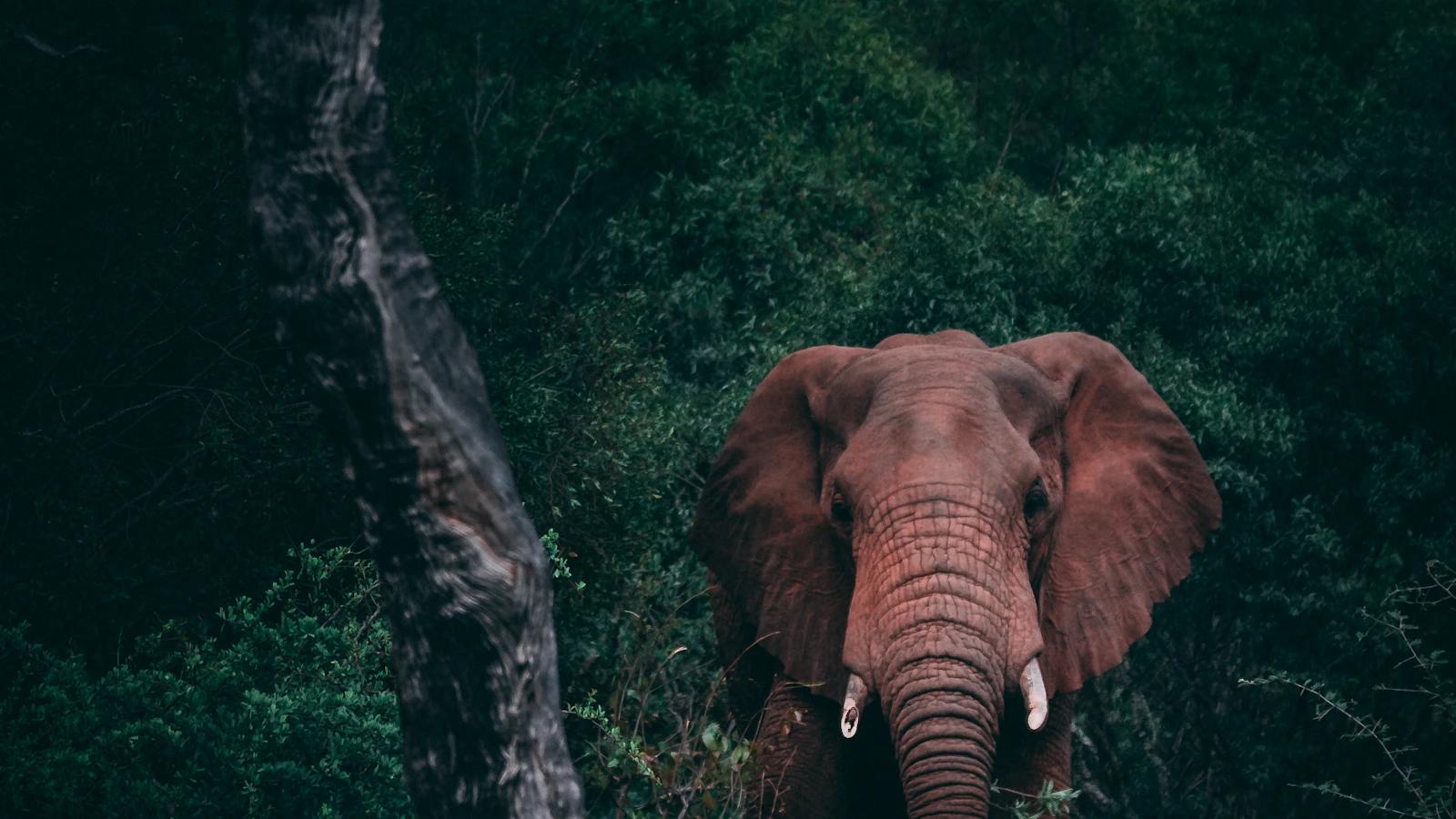
Yala's species list is extraordinary in its breadth. Beyond the headline leopard, the park is home to Asian elephants — often seen in family herds moving between waterholes with a quiet, unhurried authority. The elusive sloth bear, with its shaggy coat and comically lumbering gait, is a genuine thrill to encounter, particularly near rocky outcrops where it forages for termites and wild berries. Saltwater crocodiles lurk with sinister patience in the lagoons, while water buffalo wade through the shallows with casual disregard for everything around them.
The smaller residents are equally captivating. Spotted deer (axis deer) are everywhere, their rust-and-white flanks flickering between the trees. Purple-faced langurs and grey langurs watch proceedings from the treetops with philosophical calm. Jackals trot purposefully along the tracks at dusk, and mongooses dart through the undergrowth. For birdwatchers, Yala is extraordinary: the Sri Lanka junglefowl — the national bird, resplendent in its jewelled plumage — struts through the scrub, peacocks fan their tails in the early morning sun, and painted storks stand motionless in the shallows like living sculptures.
Hidden within the park's interior, the ancient Sithulpahuwa Buddhist rock temple adds an unexpected dimension to the Yala experience. Dating back over 2,000 years, its cave shrines and carved rock faces are a reminder that humans and wildlife have shared this landscape for millennia.
Planning Your Yala Safari
When to Visit
The dry season, running roughly from February through July, is the best time to visit Yala. As water sources shrink, wildlife congregates around the remaining lagoons and waterholes, making sightings more frequent and more dramatic. The landscape itself takes on a parched, golden quality that feels intensely cinematic at sunrise and sunset.
September is a month to avoid entirely: the park closes annually for a period of rest and renewal, typically throughout that month. The monsoon months — October through January — bring heavy rainfall, flooding some tracks and dispersing wildlife across a wider area, which makes sightings harder to come by. If you must visit in the off-season, go with modest expectations and embrace the lush, green version of the park that few tourists ever see.
Getting to Yala
Yala is well-connected to Sri Lanka's main tourist circuit. From Ella, the journey takes approximately two hours along a winding but scenic road through the southern hills. From Mirissa or Tangalle on the south coast, allow one and a half to two hours. From Colombo, the drive is longer — five to six hours depending on traffic — making it worth combining with a broader southern itinerary rather than visiting in isolation. The closest gateway town is Tissamaharama (universally shortened to "Tissa"), where you will find ATMs, pharmacies, and a good range of accommodation.
Safari Timings and Structure
Park gates open at 6:00 AM and close at 6:00 PM. The two prime safari sessions are the morning drive (6:00–10:00 AM) and the evening drive (2:30–6:00 PM). The midday hours are the least productive — animals retreat into shade, and the heat can be punishing — so many visitors combine a morning drive one day with an evening drive the next, or simply commit to a full-day safari with a midday break at the vehicles.
A well-structured half-day safari (morning session) will cover the key waterhole circuits and lagoon edges, giving you roughly four hours of active wildlife time. A full-day safari adds the evening session and allows you to witness the entirely different atmosphere of late afternoon, when the light turns amber and the animals grow active again as the day cools.
Park Entry Fees and Logistics
For foreign visitors, park entry costs approximately USD 25–30 per person, plus a vehicle fee and a mandatory tracker fee. It is advisable to book your jeep and guide in advance during peak season (April–July), when demand is high and vehicles book out quickly. Reputable operators can be arranged through your accommodation or through licensed tour companies; always confirm that your driver holds a valid park licence.
Choosing a Responsible Operator
The ethics of wildlife tourism matter enormously at Yala, and the difference between a great guide and a reckless one can define your entire experience. A skilled, responsible guide will read the landscape — noticing a fresh pawprint, a disturbed bush, the alarm call of a deer — and position the vehicle thoughtfully without crowding or stressing the animal. They will switch off the engine and wait, rather than revving towards every sighting in a competitive rush.
Ask your accommodation or operator directly about their approach to wildlife distancing and vehicle limits around sightings. The best guides measure the success of a safari by the quality of the encounter, not the number of species ticked off a list. They know that a single, unhurried leopard sighting from a respectful distance is worth infinitely more than a frenzied chase that leaves the animal stressed and the passengers rattled.
What to Pack
Yala's open jeeps mean you will be fully exposed to the elements from first light to gate closing. Pack accordingly:
- Neutral-coloured clothing (khaki, olive, grey — avoid bright colours and white)
- A light fleece or jacket for the cool early morning
- High-SPF sunscreen and a wide-brimmed hat
- Insect repellent (especially for evening drives near the lagoons)
- Binoculars — a game-changer for spotting distant animals and birds
- A camera with a zoom lens if you have one; a smartphone works for closer sightings
- Plenty of water and snacks, as there are no facilities inside the park
- A sense of patience and wonder
Where to Stay
Tissamaharama is the main base for Yala safaris and offers everything from simple guesthouses to comfortable mid-range hotels. Staying in Tissa works well for budget travellers and those who prefer a town environment. For a more atmospheric experience, the eco-camps and lodges clustered around the Palatupana entrance put you right on the park's doorstep — meaning you can be inside the gates within minutes of them opening at dawn, before the convoy of jeeps from town has even set off.
Several well-regarded eco-camps operate on the park's periphery, blending canvas tents and open-air dining with a genuine connection to the surrounding landscape. Falling asleep to the sounds of jackals and waking to birdsong at first light is an experience that no town hotel can replicate.
Final Thoughts
Yala rewards those who arrive with patience and leave behind the urge to curate a highlight reel. Yes, the leopard is the dream — and Yala gives you a better chance of that dream than almost anywhere on Earth. But it is the quieter moments that tend to stay with you longest: a crocodile utterly motionless beside a glittering lagoon, a family of elephants crossing the track in stately single file, the improbable beauty of a peacock spreading its tail at dawn, or the distant cry of a junglefowl echoing through the scrub as the sun climbs over the Indian Ocean.
Come early. Go slow. Let the park reveal itself on its own terms. That is how Yala is best experienced — and once it has gotten under your skin, you will find yourself planning the return journey before you have even left.
Want to explore more?
Download our comprehensive E-Travel Guidebook for Ella.