Ella Tea Experiences: Discovering Ceylon Tea in Sri Lanka's Hill Country
By Stay Lanka Travels
Why an Ella tea experience is worth adding to your Sri Lanka itinerary. Walk through plantations, visit a tea factory, and taste freshly prepared Ceylon tea in the highlands.
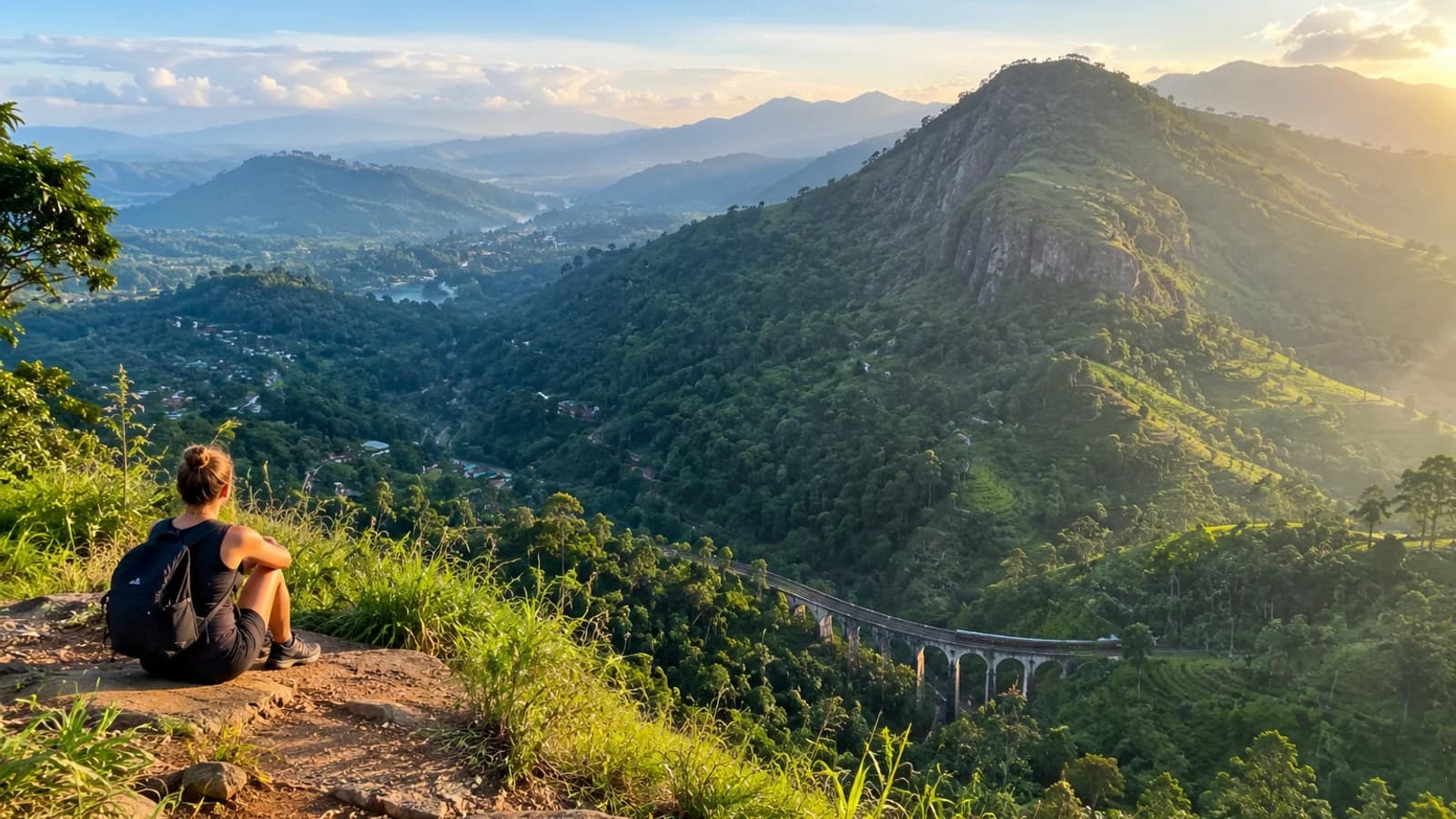
Walk along Passara Road at seven in the morning. Mountain mist rolls off the high ridges in quiet waves. As the fog parts, endless emerald hills reveal themselves. Thousands of waist-high tea bushes blanket the mountain folds like green corduroy.
The air smells damp and herbal, carrying the scent of crushed green leaves and woodsmoke from distant factory chimneys. This is Ella's working landscape.
Most visitors treat Ella as an adventure playground. They climb Ella Rock, photograph Nine Arches Bridge, and drink cocktails on Main Street. Yet the surrounding hills belong to an older rhythm.
Here in the Uva highlands, tea is not a tourist prop. It is a living industry that shapes daily life, community culture, and the economy. Stepping into these terraced fields connects you directly with the people behind the world's finest cup.
Here is your complete guide to walking plantations, touring working factories, and tasting Ceylon tea in Ella.
The Uva Terroir: How Mountain Winds Shape Flavor
Not all Ceylon tea tastes the same. Sri Lanka divides its tea-growing regions by altitude and climatic microzones.
Ella sits at roughly 1,000 metres above sea level in the Uva province. This elevation qualifies its harvest as high-grown tea.
Uva teas possess an internationally celebrated flavor profile. Between July and September, dry winds known as the Cachan blow across the central highlands. These winds originate from the southwest monsoon, losing moisture as they climb the central mountains.
By the time the wind reaches Ella's eastern slopes, it turns dry and warm. This creates a natural Föhn effect. The hot, dry breeze stresses the tea bushes, forcing the leaves to close their pores.
This environmental stress concentrates essential aromatic oils within the tender young shoots. The resulting harvest produces the legendary "Uva character." Tea connoisseurs prize this profile for its exotic pungency, bright copper color, and subtle wintergreen aroma.
The Best Plantation Walking Trails in Ella
You do not need a tour bus to explore Ella's tea country. Several scenic footpaths wind directly out of town into working estates.
The Halpewatte Estate Trails
Located three kilometres north of Ella, Uva Halpewatte is the largest tea producer in the region. The estate sprawls across steep ridges overlooking deep river valleys.
Wandering the dirt estate tracks here feels peaceful and remote. Slender silver oak trees line the terraces, providing dappled shade for the tea bushes. You will pass mountain water conduits, granite streams, and stone worker cottages with flower gardens.
Little Adam's Peak and 98 Acres
For an easy walk close to town, explore the private tea trails surrounding Little Adam's Peak. The path begins near Passara Road and meanders through lush bushes owned by the Demodara and 98 Acres estates.
The trails are wide, well-maintained, and gentle on the knees. You can stroll between manicured rows while gazing up at the jagged crest of Ella Rock.
Kinellan Estate to Nine Arches Bridge
Instead of taking a tuk-tuk to Nine Arches Bridge, walk through Kinellan Estate. This route branches off the main road and drops through peaceful terraced hollows.
You will walk beneath bamboo groves and towering eucalyptus trees. Eventually, the path emerges directly onto the iconic brick viaduct.
The Plucker's Craft: Human Skill Behind the Harvest
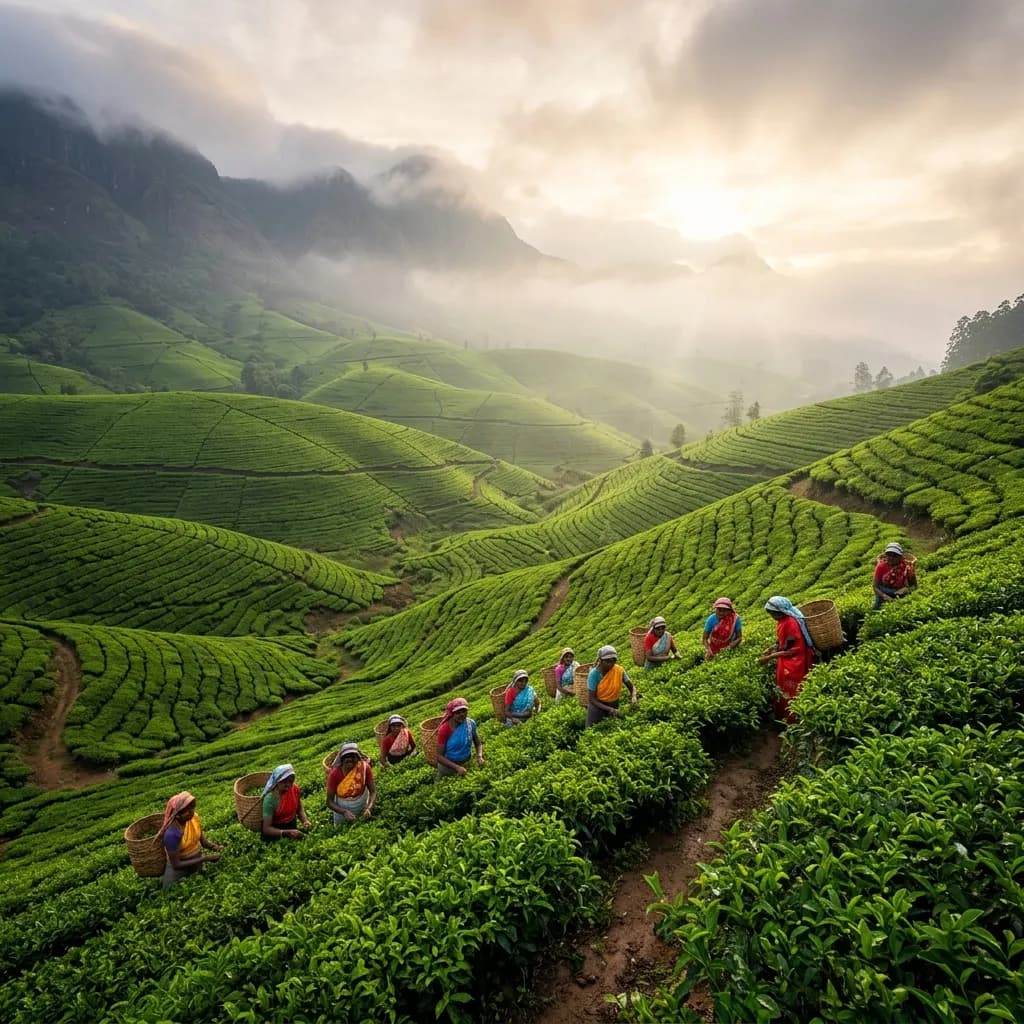
Every single leaf of high-grade Ceylon tea is harvested by hand. The mountain slopes around Ella are far too steep for tractors or mechanical harvesters.
Estate pluckers are primarily women of Indian Tamil descent. Their ancestors moved to the island's central highlands during the British colonial era in the 19th century.
Watching a skilled plucker work is a lesson in precision and speed. Her fingers dance across the bushes with blinding agility. She selects only "two leaves and a bud", the tenderest new growth on each shoot.
She tosses the freshly pinched leaves over her shoulder into a wicker basket (koodai) strapped to her forehead. A seasoned estate worker harvests between eighteen and twenty kilograms of fresh leaf every day.
Take time to greet workers with a respectful smile. If you wish to take photographs, always ask permission first. A small gratuity of a few hundred rupees is customary and warmly appreciated.
Inside Uva Halpewatte: The 24-Hour Manufacturing Cycle
To understand how green leaves turn into black tea, book a tour at Uva Halpewatte Tea Factory.
Built in the 1940s, this multi-story facility retains its vintage industrial charm. The guided tour follows the raw harvest through five mechanical stages:
- Withering: Fresh leaves spread across long wooden troughs on the upper floor. Industrial fans blow air over the harvest for twelve to eighteen hours, evaporating half its water content.
- Rolling: Heavy brass rollers twist and crush the limp leaves. This mechanical friction ruptures plant cells and exposes internal sap to atmospheric oxygen.
- Oxidation (Fermentation): Crushed leaves rest on cool ceramic tables in a humid room. Chemical oxidation turns the emerald leaf into a rich coppery-brown hue, unlocking complex floral aromas.
- Firing (Drying): The oxidized leaves pass through giant industrial dryers running at 100°C. High heat stops fermentation instantly, locking in flavor and turning the leaf crisp and black.
- Sorting and Sifting: Vibrating wire screens separate the dried tea into distinct commercial grades based strictly on particle size.
Decoding the Grades: A Professional Tasting Session
Most factory tours finish in a bright second-floor tasting room overlooking the valley. Here, you learn to cup tea like an international broker.
A common misconception is that different tea grades come from different plant species. In reality, all black tea comes from the same plant: Camellia sinensis. The grade refers solely to the size and part of the leaf.
Here are the key grades you will sample in Ella:
- Silver Tips: The rarest luxury grade. Made exclusively from unopened, velvety white leaf buds picked before sunrise. The liquor is pale champagne, offering delicate notes of wildflower honey.
- Orange Pekoe (OP): Long, wiry, whole-leaf tea with no tips. It brews a light golden-amber cup with smooth herbal notes.
- Broken Orange Pekoe (BOP): Chopped leaves that brew quickly. It delivers a rich, dark amber liquor with bold body and classic Uva pungency.
- BOPF (Fannings): Small leaf particles favored for English breakfast blends. It yields a deep mahogany color that pairs perfectly with milk and jaggery sugar.
Slurp the warm tea loudly from your tasting spoon. Aerating the liquid across your palate reveals subtle undertones of malt, citrus, and stone fruit.
Practical Planning and Visitor Etiquette
Planning your Ella tea adventure requires only a few basic considerations:
- Timing: Visit factories during morning hours between 8:00 AM and 11:00 AM. Production machinery runs at full capacity, and pluckers are active in the fields.
- Footwear: Wear closed walking shoes with solid grip. Estate footpaths can be slick with morning dew and loose red clay.
- Leech Protection: During monsoon months, wet grass harbors small land leeches. Wear long trousers tucked into thick socks.
- Buy Factory Direct: Factory gift shops offer unblended, single-estate teas at wholesale prices. Uva Halpewatte BOP and artisan Silver Tips make exceptional gifts.
The Final Cup: Landscape in a Glass
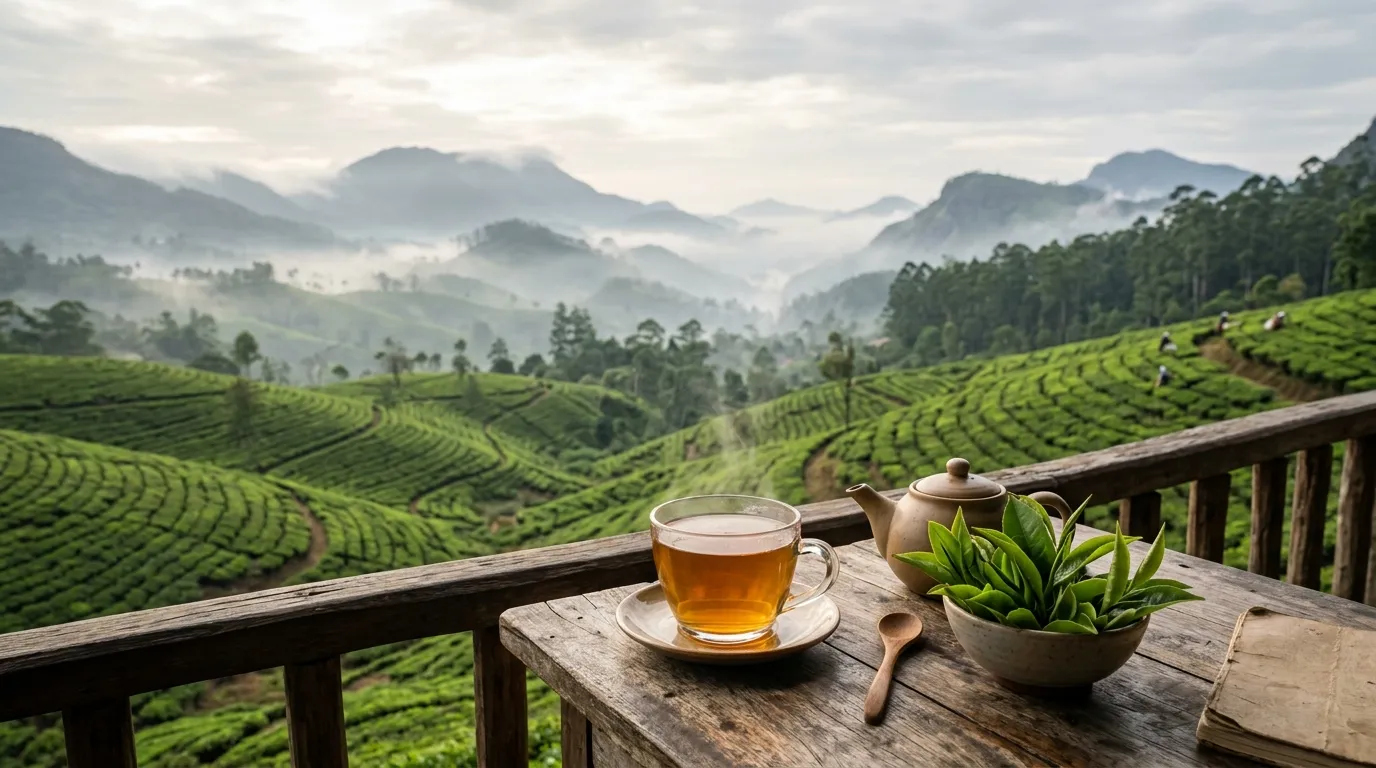
After touring the noisy factory floors, take a seat on the veranda with a freshly poured cup.
Gazing out across the sunlit valley, the emerald rows below take on new meaning. You understand the hours of back-breaking harvest on steep hills. You recognize the mechanical precision of withering troughs and roaring dryers.
A proper cup of Ceylon tea is not just a morning beverage. It is the liquid essence of Ella's soil, sun, altitude, and human dedication. Take a slow sip, listen to the breeze in the eucalyptus trees, and savor the highlands.
Want to explore more?
Download our comprehensive E-Travel Guidebook for Ella.